
23 August 2026
Do You Need Planning Permission For Roof Work In Croydon?
Croydon has 21 conservation areas, four planning authorities and an Article 4 direction covering all roof alterations. What applies to your house.
If you are about to spend money on your roof in Croydon, the planning question is worth five minutes of your time. Not because most roof work needs permission - the great majority of it does not - but because this particular borough has more ways to catch you out than almost anywhere else in south London. Croydon Council currently lists 21 conservation areas. There are at least six separate Article 4 directions in force, one of which specifically removes your right to alter your roof without permission. And the CR postcode area is shared between four different planning authorities, so a fair number of people apply to entirely the wrong council. Below is what actually applies, in the order that matters, along with the bits that most roofing firms working this patch get wrong.
The general rule: repair is not development
Start with the good news, because it covers most people reading this. Repairing a roof is not development, and it does not need planning permission anywhere in the borough. Replacing a handful of slipped slates, rebedding a ridge line, renewing lead flashings around a chimney, clearing and refixing guttering, replacing rotten fascia boards - none of that engages the planning system at all.
The same is broadly true of a straight like-for-like replacement. If your 1930s semi in Sanderstead has a concrete tile roof and you replace it with the same profile of concrete tile, you are restoring what was there rather than altering the building. The national position on this is set out clearly on the Planning Portal’s guidance on roofs, which is the reference worth reading before you speak to anyone.
Where it starts to change is when the work alters the appearance or the shape. Switching from slate to concrete tile changes how the house reads from the street. Raising a ridge, adding a dormer, or converting a hip to a gable all change the form. Those are the points at which a conversation with the council becomes sensible, and if you are unsure it costs nothing to ask them.
Croydon’s 21 conservation areas
A conservation area does not stop you repairing your roof. What it does is narrow the range of acceptable answers, usually to “the same as what is there now”. If you live in one, expect the council to want natural slate replaced with natural slate rather than with something cheaper that looks approximately similar from forty feet away.
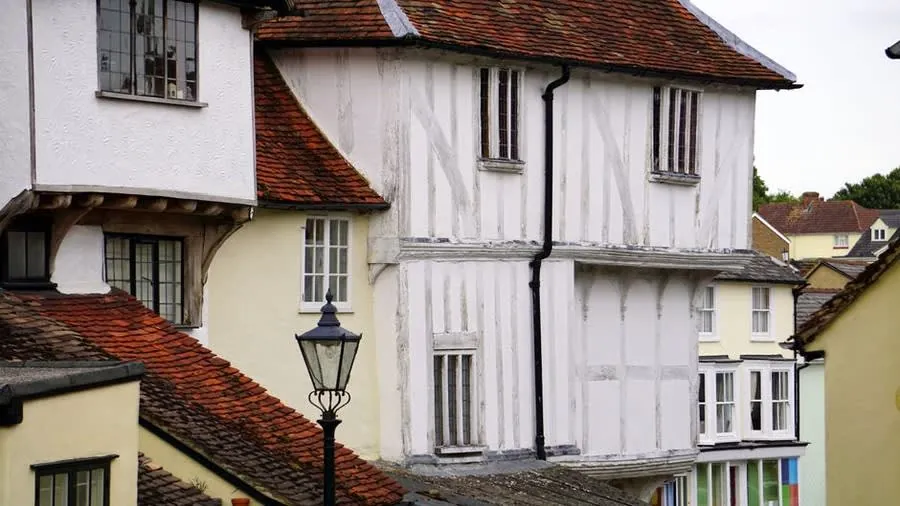
The borough’s areas are listed on Croydon Council’s conservation areas page, and they are more varied than people expect. Central Croydon and the Victorian street patterns at South Norwood sit alongside the Webb Estate and Upper Woodcote Village at Purley - a garden suburb laid out by William Webb between 1903 and 1925, covering around 260 acres and roughly 225 individually designed houses in Arts and Crafts, Tudor Revival and Neo-Georgian styles.
That last point matters practically rather than just historically. Houses of that kind carry hand-made clay tiles, swept valleys, catslides and a great deal of lead.
They are more expensive to repair correctly, and the council has a legitimate interest in how it is done. If you own one, budget accordingly and do not take a quote from anybody who has not noticed what they are looking at.
The Article 4 direction that catches roofers out
This is the single most important thing on this page, and it applies to one specific part of Addiscombe. The Chatsworth Road conservation area has an Article 4 direction that has been in force since 21 January 2016, and it removes permitted development rights for a list of things that includes, in the council’s own words, all alterations to the roof of a dwelling house.
The same direction also captures extensions and alterations to the house, porches, hard surfacing, walls and fences, new accesses onto the highway, painting the exterior, and installing solar equipment. Repair remains repair, so replacing broken slates like for like is fine. But if you were planning to change the covering, add a rooflight, or put solar panels up, you need permission first, and doing it without is a genuine problem rather than a technicality.
There are further Article 4 directions elsewhere in the borough: The Waldrons conservation area in South Croydon, covering numbers 5 to 23, also from January 2016; Kenley Aerodrome; Kenley Lane and Hawkhirst Road; and Mitchley Hill and Dunmail Drive. There is also a borough-wide direction on small HMO conversions, which matters if roof work is part of a larger conversion project rather than a straightforward repair. All of them are set out on Croydon Council’s Article 4 directions page. If your roof is in any of those areas, our roof replacement page explains what a compliant like-for-like job actually involves.
Dormers, rooflights and loft conversions
This is where most genuine planning applications in Croydon come from. Rear dormers on a two storey house are frequently permitted development, subject to volume limits and a set of conditions about how far they sit from the eaves and the ridge. Front-facing dormers, on the elevation facing a highway, almost never are.
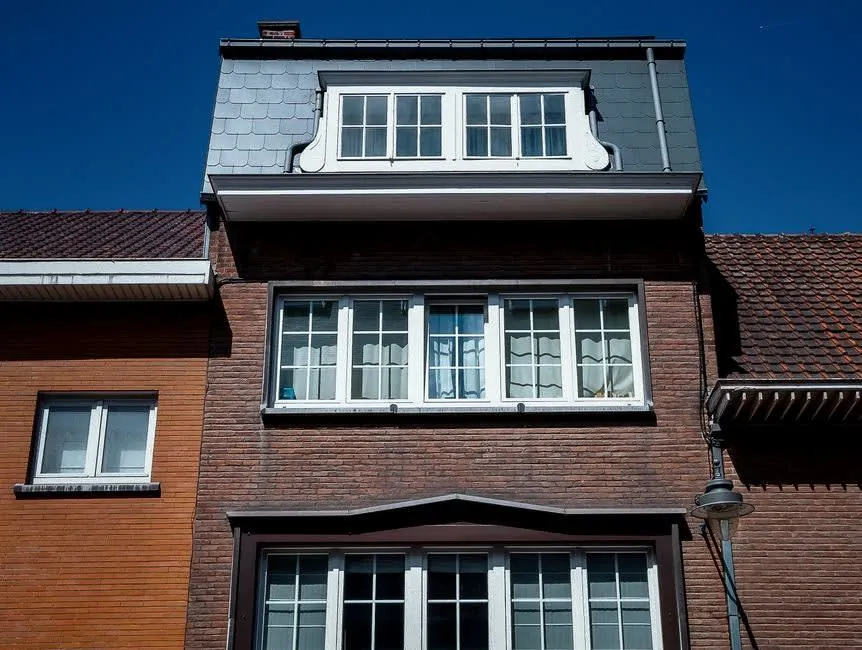
The interwar semis across Shirley, Selsdon, Sanderstead and Coulsdon generally retain fuller permitted development rights than the tighter Victorian terraces further north, simply because they sit on larger plots and are less likely to be in a conservation area. That is why so many loft conversions in the south of the borough go ahead without an application while an apparently identical project in Addiscombe needs one. Rooflights are the quiet exception people forget. A conservation rooflight sitting flush in the slope is usually acceptable where a projecting one is not, and in an Article 4 area it may need permission either way. Cheap to check. Expensive to get wrong once the hole is cut.
Solar panels, and why they are not always automatic
Solar has been permitted development on most houses for years, which has led to a general assumption that it is always fine. In Croydon that assumption is wrong in at least one place, because the Chatsworth Road Article 4 direction explicitly captures the installation of solar photovoltaic and solar thermal equipment.
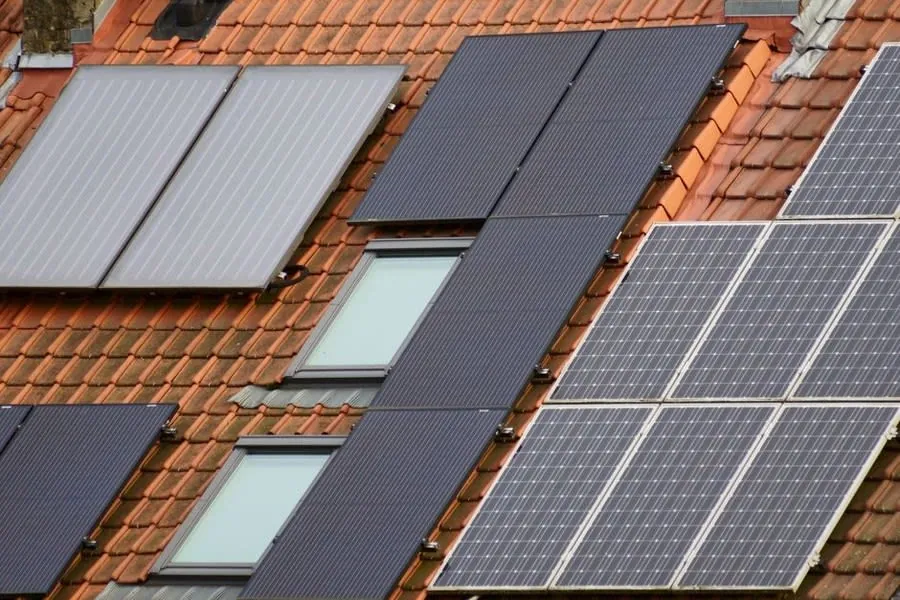
Elsewhere in a conservation area, panels on a roof slope facing a highway will usually need permission even where the same panels on a rear slope would not. On a listed building you are into listed building consent, which is a different and considerably more involved process.
There is a practical roofing point here too, separate from planning. Panels are fixed through the covering into the rafters, and every one of those fixings is a potential leak if it is not flashed properly. If your roof is more than about forty years old it is worth having it looked at before panels go on, because taking an array off again to repair the roof underneath is an expensive way to learn that lesson.
Building regulations are a separate question
People conflate these two constantly. Planning permission is about what the building looks like and how it affects the area. Building regulations are about whether it is safe and efficient. A job can need one, both or neither.

For roofing, the trigger is area. Renewing more than roughly 25 per cent of a roof is normally notifiable, because a roof counts as a thermal element under Approved Document L. In practice that means most full replacements, and it usually means insulation and ventilation have to be brought up to current standards as part of the work. That is worth knowing at quote stage rather than discovering halfway through, and it is one of the things an itemised quote should make visible.
Party walls are the other one to keep in mind, particularly on the terraces in the north of the borough. Work to a shared chimney stack engages the Party Wall etc. Act 1996, and notice has to be served on your neighbour before work starts. The government guidance on party walls sets out what that involves.
Which council are you actually in?
Finally, the one that wastes the most time. A CR postcode tells you very little about which authority you are dealing with, because the boundaries in this part of south London do not follow the postcodes at all.
The London Borough of Croydon covers Croydon itself, South Croydon, Purley, Kenley, Coulsdon, Sanderstead, Selsdon, Addiscombe, Shirley, Thornton Heath, Norbury, South Norwood and New Addington. Wallington is the London Borough of Sutton. West Wickham is the London Borough of Bromley, despite bordering Shirley and feeling like Croydon from that side. And Caterham, Warlingham and Whyteleafe are Tandridge District Council in Surrey, a county authority with a completely separate local plan, currently due to become part of a new Surrey unitary council.
Whyteleafe is the strangest of the lot: it is a Tandridge village with a handful of streets that fall inside the London Borough of Croydon. If you live there, check which side of the line your house sits on before you do anything.
None of this affects a straightforward repair. It matters the moment you need to apply for something, and applying to the wrong council costs you weeks. If you are not sure what your roof actually needs doing in the first place, our guide to common roof problems in Croydon covers what most of these turn out to be.
Frequently asked questions
Do I need planning permission to replace my roof in Croydon?
For a like-for-like replacement using the same material, normally no. It becomes a planning matter if you change the covering material, alter the shape or height of the roof, or if the property is listed or in a conservation area. In the Chatsworth Road conservation area in Addiscombe an Article 4 direction removes permitted development rights for all alterations to the roof of a dwelling house, so permission is needed there even for changes that would be automatic elsewhere.
How many conservation areas are there in Croydon?
Croydon Council currently lists 21 conservation areas across the borough. They range from Central Croydon and the Victorian streets of South Norwood through to the Webb Estate and Upper Woodcote Village at Purley, which together cover around 260 acres of Arts and Crafts garden suburb.
Does a CR postcode mean I am dealing with Croydon Council?
No, and this catches people out regularly. Caterham (CR3) and Warlingham (CR6) are Tandridge District Council in Surrey. Wallington is the London Borough of Sutton. West Wickham is the London Borough of Bromley. Only some CR postcodes fall inside the London Borough of Croydon, so check before you apply to anybody.
Do roof repairs need building regulations approval?
Ordinary repairs do not. Renewing more than about 25 per cent of a roof's area is normally notifiable work, because the roof counts as a thermal element under Approved Document L, and insulation and ventilation then have to be brought up to current standards. That is dealt with either through building control or under a competent person scheme.
Free roof survey and a fixed written quote
Anywhere in Croydon and the surrounding CR postcodes. No call-out fee.