
6 October 2026
Roofers In Purley, Coulsdon And Kenley: Hillside Houses, Chalk Valleys And Real Costs
What roofers in Purley, Coulsdon and Kenley actually deal with: big Edwardian and Arts and Crafts roofs, bungalows on steep plots, exposed downland, and 2026 prices.
Ask a roofer from Thornton Heath what the south of the borough is like and they will probably mention the hills before the houses. Purley, Coulsdon and Kenley sit where the North Downs push up into Croydon, so the streets climb out of narrow chalk valleys onto open, windy high ground, and the roofs change as the road goes up. Big Edwardian and interwar detached houses with clay tile roofs line the slopes. Bungalows and chalet bungalows fill wide plots further out, and 1960s and 70s houses have been slotted in wherever a large garden was split. If you are looking for roofers in Purley, Coulsdon and Kenley, it helps to know which of those you own, which part of the hill you are on, and what the work usually costs. This guide goes through all three.
Roofers in Purley, Coulsdon and Kenley: what makes this corner different
Purley grew up where two dry chalk valleys meet. The Brighton Road runs up one towards Coulsdon and the Godstone Road follows the other towards Kenley and Whyteleafe. Most of the houses have been pushed up the valley sides, so on many roads every plot sits higher or lower than the one next to it. Old Coulsdon and the land around Kenley airfield are higher still, on a plateau where the chalk is capped with clay-with-flints and there is very little between the houses and the weather.
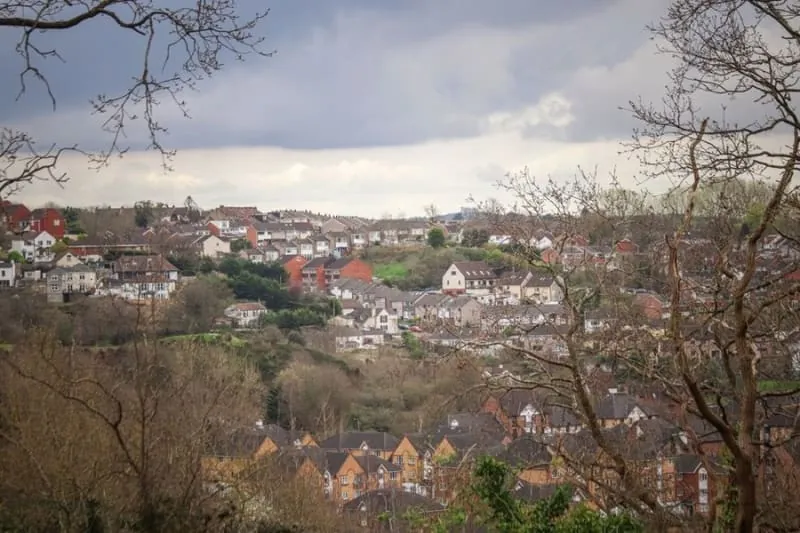
All three places are inside the London Borough of Croydon, despite how much they feel like Surrey. That matters later, when we get to conservation areas and tree rules. For the roof itself, what matters is that a survey here starts with where the house sits and how it is built, and only then gets to the tiles. Our roof repair service across Croydon works the same way from Norbury to Coulsdon, but down here the slope and the exposure tend to set the price before the materials do.
Edwardian and Arts and Crafts roofs on the slopes
The houses that give Purley and Kenley their character went up between roughly 1900 and the late 1930s, many of them for families who wanted a big garden and a train into town. William Webb’s garden suburb at Purley, laid out between 1903 and 1925, is the best known, but you see the same ideas on roads well outside it. Steep roofs come down low over the first floor. There are long catslides over porches and side rooms, gables hung with clay tiles, and swept or laced valleys where two slopes meet without any lead at all.
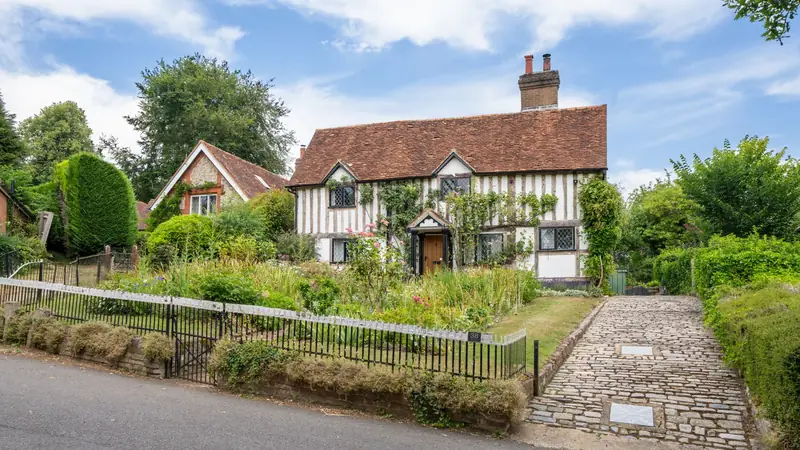
They are handsome roofs. They also keep roofers busy, because of how many junctions they have. A typical one might have four hips, two valleys, a dormer or two, a catslide and three chimney stacks. Each junction is a place where water changes direction, and that is where leaks start. Swept valleys are a good example. Each tile is cut and laid by hand to turn the corner, and when one cracks it is not a five-minute fix. The tiles themselves also tend to outlive their nails, so in a strong gust a tile drops out of a perfectly good-looking roof. Our earlier article on clay plain tile roofs covers salvage and matching in detail. In short, on a house this size, keep every sound old tile.
Bungalows, chalets and the infill between
Go a little further out, towards Coulsdon’s quieter roads and the edges of Kenley, and there are far more bungalows than you would find in the north of the borough. Some are true single-storey houses. Many are chalet bungalows, where the roof slopes come almost down to the ground floor windows and the bedrooms are built into the roof space behind dormers or roof windows. Then there are the 1960s and 70s houses dropped onto plots carved out of big Edwardian gardens. Those usually have shallow-pitched concrete tile roofs, boarded fascias, and a flat-roofed garage or link to one side.
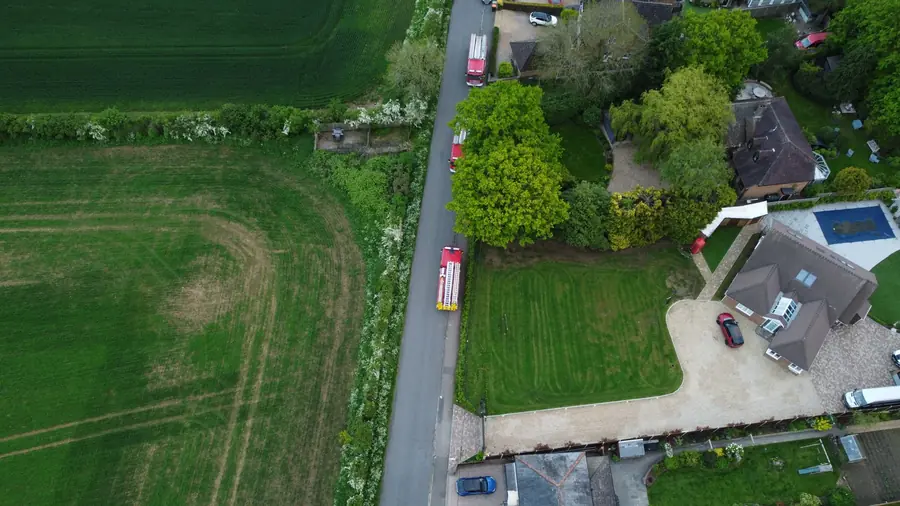
Each type goes wrong somewhere different. On a chalet bungalow the room in the roof often leaves a narrow, cold void behind the knee wall, and condensation there rots the battens before the tiles show any sign of trouble. Dormer cheeks and the flashings around roof windows are the usual leak points. On the infill houses, the flat roof over the garage or utility room is often the oldest covering on the property, and it tends to be replaced only after it leaks onto whatever is stored underneath. Low pitches cause their own problems too. Some 1970s tiles were laid at angles that only just suited them, and wind-driven rain can creep back up under the laps.
Wind on the hilltops, damp in the valley bottoms
The Met Office keeps a climate station at Kenley Airfield, up on the plateau, and its figures give a fair picture of what roofs up there go through. The Met Office long-term averages for Kenley Airfield show about 847mm of rain a year, around 35 nights of air frost, and a mean wind speed that climbs to about 9 knots in January. None of that is extreme for England. The trouble is that a house on the top of the hill gets all of it, with no terrace either side to share the load.
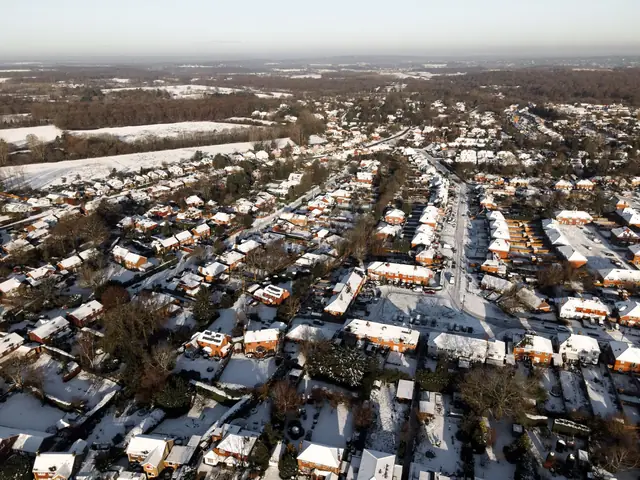
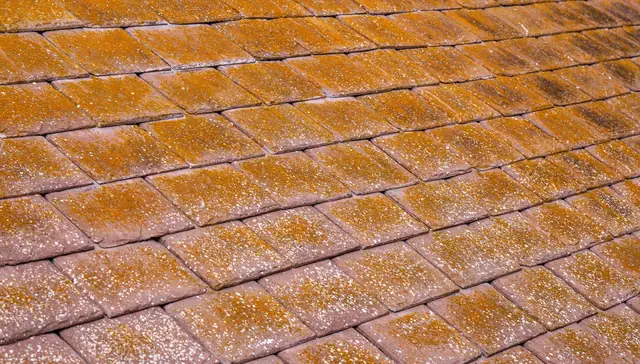
So the hilltop jobs are mostly about wind: ridge and hip tiles bedded in old mortar working loose, verges stripped back, tile hanging lifted on the gable that faces south-west. Down in the valleys it is a different story. Cold air drains off the downs on still nights and settles along the valley floor, so frost lingers there and the shaded north slopes stay damp for days. That is where moss builds up thick, gutters fill, and frost slowly breaks up the faces of older tiles. The valleys can also hold a surprising amount of water. In early 2014 groundwater rose so high that the normally dry Caterham Bourne ran down the Godstone Road, the A22 was closed, and dozens of homes around Dale Road in Purley were evacuated. That was a flood, not a roofing problem, but it gives you an idea of how wet the valley floor can get.
Trees, steep drives and getting scaffold up the hill
Access often costs more here than anywhere else in the borough. Many houses sit well above or below the road, up stepped paths or steep drives, with retaining walls and terraced gardens between the pavement and the front door. Scaffold has to stand level on ground that isn’t. That means more adjustable base jacks, sole boards packed on slopes, and sometimes a scaffold that steps down the garden in lifts. Every tile, batten and bag of waste has to be carried up or down that slope as well. On a big hillside job, the difference between a flat drive and a steep one can easily add several hundred pounds to the access price.
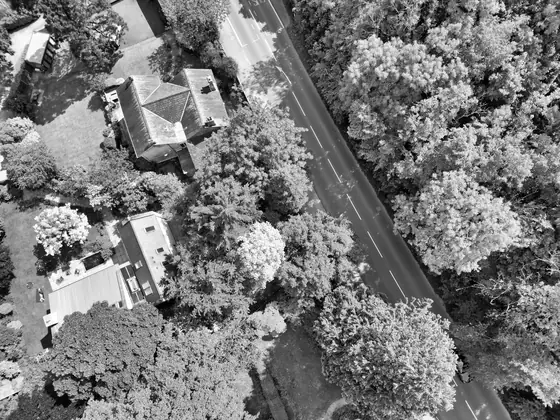
Then there are the trees. Kenley Common, Riddlesdown, Coulsdon Common and Farthing Downs are all close by, and many gardens back onto woodland or have big oaks and beeches of their own. That means leaves in valleys and back gutters every autumn, moss on the shaded slopes, and the occasional branch through the tiles in a storm. We wrote about the damage trees do to Croydon roofs earlier, so here is just the local catch: if your house is in a conservation area, you have to give Croydon Council six weeks’ notice before cutting back most trees, even ones that hang over your own roof. Plan any pruning for well before the scaffold arrives.
Conservation areas, local heritage areas and the Article 4 question
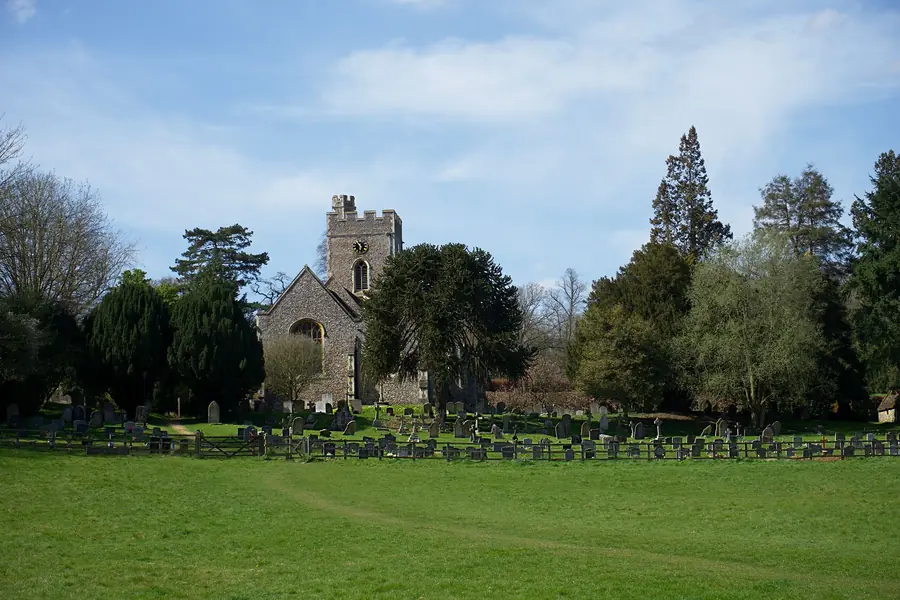
Several parts of these three places carry heritage designations, and a roofer working here should know where they are. The Webb Estate and Upper Woodcote Village in Purley are a combined conservation area. Kenley Aerodrome has been one since 2006, and Bradmore Green, around the old church of St John at Old Coulsdon, since 1968. Croydon’s directory of conservation areas has maps and appraisals for each. On top of those, the council’s local plan names local heritage areas at Brighton Road in Purley, Station Approach in Coulsdon and Stoats Nest Village.
People often assume an Article 4 direction stops them touching their roof. Around here it doesn’t. Croydon’s roof-specific Article 4 direction covers the Chatsworth Road conservation area in Addiscombe, several miles north. The council’s list of Article 4 directions shows that the ones in Kenley, at the aerodrome and along Kenley Lane and Hawkhirst Road, deal with gates, fences, walls and new access points to protect the green belt. Like-for-like roof repairs in any of these places need no application. If you want to change the covering, add roof windows facing the road or extend into the roof in a conservation area, ask the council first.
What roof work costs in Purley, Coulsdon and Kenley
The prices below are rough 2026 ranges for the kind of work we quote across these three areas. They include VAT. Access is included unless we say otherwise, and on a sloping site it is often the figure that moves most.
- Refixing or replacing a few slipped plain tiles from a roof ladder: £250 to £450
- Rebedding or dry-fixing ridge and hip tiles on an exposed hilltop roof: £600 to £1,800
- Repairing tile hanging on a gable, scaffold included: £700 to £2,000
- Relaying a swept or laced valley, or relining an open lead valley: £1,200 to £2,800
- Re-covering a garage or link flat roof in a modern membrane: £2,000 to £4,500
- Re-roofing a bungalow in concrete tile: £8,000 to £12,000
- Re-roofing a large Edwardian or interwar detached house in clay plain tiles: £28,000 to £55,000
The top end of that last line is usually down to three things: handmade tiles to satisfy a conservation officer, a roof with many hips and dormers, and a plot where the scaffold has to step down a slope. If you are collecting quotes, ask every roofer to price access separately. On a hillside house it can be a sizeable share of the total, and seeing it on its own line makes the quotes far easier to compare.
Frequently asked questions
Are Purley, Coulsdon and Kenley in Croydon or Surrey for planning?
All three sit inside the London Borough of Croydon, so planning, building control and tree questions go to Croydon Council even though many of the addresses still carry a Surrey-sounding postal identity. The boundary is close, though. Caterham, Whyteleafe and Warlingham over the hill are in Tandridge, so if you live near the edge it is worth checking which council covers your street before you apply for anything.
Does the Article 4 direction on roofs apply in Purley or Kenley?
No. The Croydon Article 4 direction that removes permitted development rights for alterations to a house roof covers the Chatsworth Road conservation area in Addiscombe. The Article 4 directions in Kenley, at the old aerodrome and along Kenley Lane and Hawkhirst Road, deal with gates, fences, walls and new accesses to protect open green belt land. Conservation area rules still apply in the Webb Estate, Upper Woodcote Village, Kenley Aerodrome and Bradmore Green, so roof changes there need more thought.
Why does my roof on the hill need more repairs than my friend's down in the valley?
Height and exposure. Houses on the higher ground above Kenley, Old Coulsdon and Purley catch the full south-westerly wind with nothing to break it, so ridge and hip tiles, verges and tile hanging get worked loose more often. Valley-bottom houses have a different problem: cold, damp air collects there on still nights, so moss and frost damage tend to be worse even though the wind is gentler.
How much does it cost to re-roof a large detached house in Purley?
For a big Edwardian or interwar detached house re-covered in clay plain tiles, expect somewhere around £28,000 to £55,000 including VAT and scaffold. The spread comes from roof area, the number of hips, valleys and dormers, whether handmade tiles are needed to match a conservation area, and how hard the scaffold is to set up on a sloping plot.
Free roof survey and a fixed written quote
Anywhere in Croydon and the surrounding CR postcodes. No call-out fee.