
16 October 2026
Roofing Guarantees In Croydon: Workmanship, Manufacturer And Insurance-Backed Cover Explained
Three kinds of roofing guarantee, who stands behind each, what quietly voids them, and what happens if your Croydon roofer closes down or you sell the house.
Most roofing quotes in Croydon now mention a guarantee somewhere near the bottom, often as a single line: “10 year guarantee”. That line can mean three very different things. It might be the roofer’s own promise, the tile or membrane maker’s warranty on the product, or an insurance policy that steps in if the firm disappears. Each has a different person standing behind it, and only one of them survives the roofer closing down. Croydon had close to 153,000 households at the 2021 census, and a large share of them live in Victorian terraces and interwar semis whose roofs are on their first or second re-covering, so plenty of owners are relying on paperwork from jobs done ten or fifteen years ago. This guide explains how roofing guarantees work in Croydon, what quietly cancels them, how the industry schemes fit in and what to do with the documents when you sell.
Three kinds of roofing guarantee and who signs each one
Whose name is at the bottom? Ask that of any guarantee you are offered and most of the confusion clears.
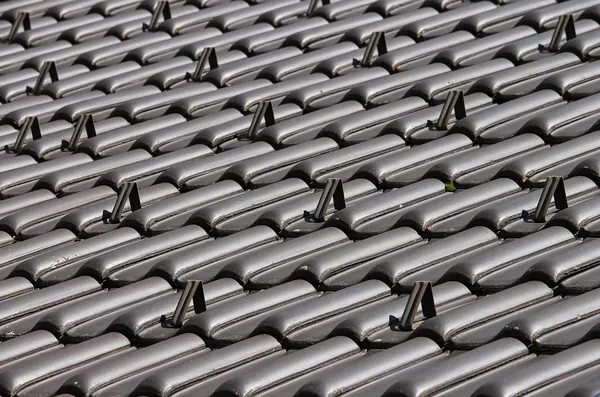
A workmanship guarantee is signed by the roofing firm. It promises that if their work fails, they will come back and fix it. A manufacturer warranty is signed by whoever made the slates, tiles, felt, lead alternative or flat roof membrane, and it covers the product being faulty, not the way it was fitted. An insurance-backed guarantee is signed by an insurer or a guarantee provider, and it covers the workmanship promise if the firm is no longer around to keep it. On a big job such as a full roof replacement in Croydon you may be handed all three. On a small repair, such as refixing slipped slates, you will normally get a workmanship guarantee and nothing else, and that is fine provided you know which one you have.
Workmanship guarantees: the roofer’s promise, in writing
Work booked through us carries a 10 year workmanship guarantee, in writing, and most established Croydon roofers offer something similar for re-roofs, with shorter terms for patch repairs. The length matters less than the wording. A good one names the property, describes the work that was done, gives a start date and says plainly what happens if water comes back in.
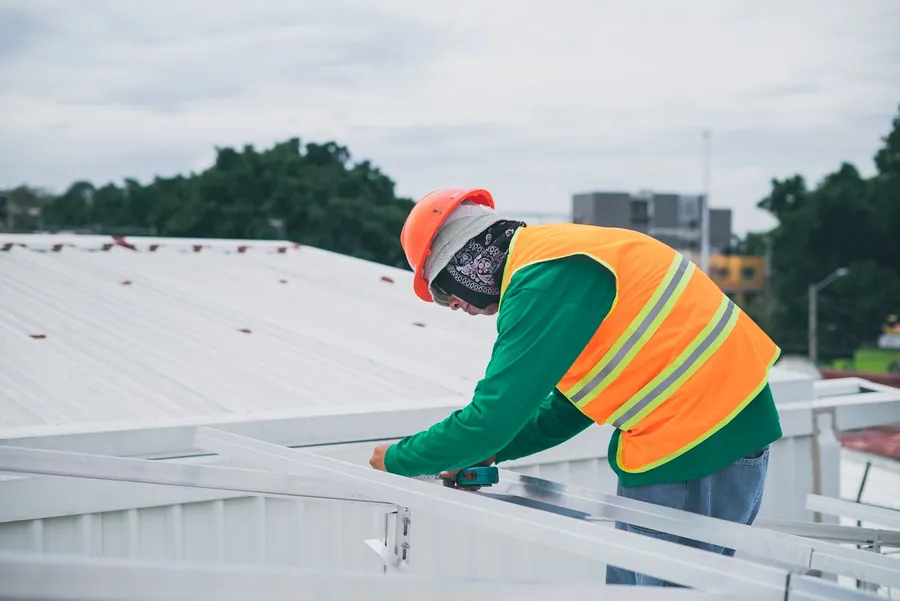
Watch out for guarantees that cover “the roof” without saying which part. If a roofer replaced the flashing round your chimney stack, the guarantee should cover that flashing, not promise vaguely to keep the whole house dry. It is worth knowing, too, that the law already gives you a floor. Under the Consumer Rights Act 2015 any service has to be carried out with reasonable care and skill, and you can ask for poor work to be redone, guarantee or not. In England you generally have six years from the breach to bring a contract claim. A written guarantee is useful because it avoids an argument about whether the work was poor in the first place.
Manufacturer warranties: long numbers, narrow cover
Concrete tile makers commonly quote 30 years or more, some single-ply and liquid flat roof systems come with 20 to 25, and natural slate is often sold with very long product warranties. They look good on a quote. They cover less than most people think.
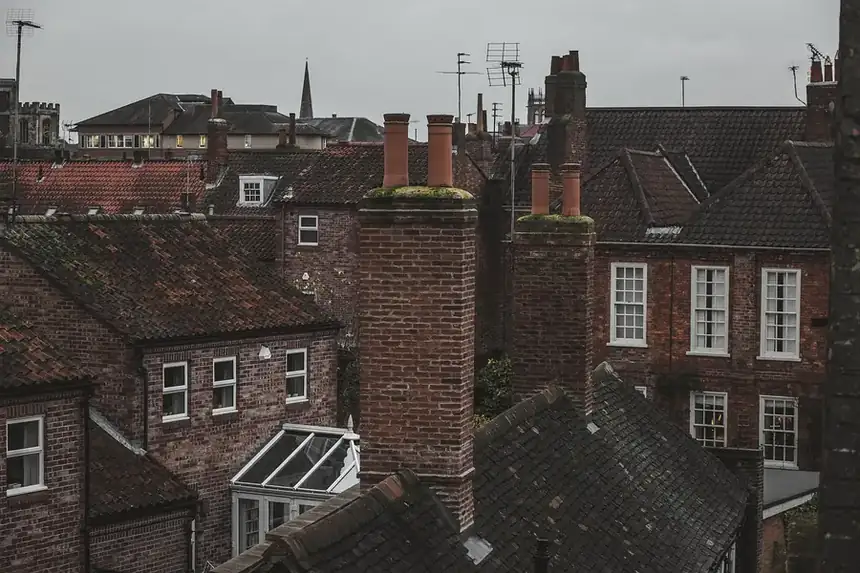
A product warranty pays out if the material itself is defective: tiles that delaminate, a membrane that splits along a factory seam. It does not pay if the tiles were nailed wrongly, the battens were the wrong gauge or the membrane was laid without enough lap. Many system warranties for flat roofs only apply when the installer is on the maker’s approved list and the job has been registered with them, sometimes with a site inspection. So if a quote for the flat roof over your back addition in Thornton Heath or Selhurst promises “a 25 year guarantee”, ask whether the firm is approved by that manufacturer and whether you will receive a registered certificate with your address on it. If the answer is vague, the number probably refers to the product in a brochure, not to your roof.
Insurance-backed guarantees: cover for when the roofer has gone
Here is where most homeowners get caught out. An insurance-backed guarantee, or IBG, does not usually replace the roofer’s own promise. It sits behind it. If the firm that did the work has ceased trading, through insolvency, death or retirement, the policy pays for faults covered by the original guarantee to be put right by another contractor for the rest of the term.

That is why most IBGs refuse a claim while the original roofer is still trading. You have to go back to them first. Most policies also carry a cap on what they will pay, a requirement that the work was paid for in full, and a time limit for the roofer to register the job after it is finished, often within weeks. Some include deposit protection, which pays you back if the firm goes bust after taking your money but before starting. Before you sign, ask who the insurer is, whether the policy will be in your name, and when you will receive the certificate. If it has not arrived within a month of completion, chase it. A promised IBG that was never registered is worth nothing.
What voids a roof guarantee on a Croydon house
Guarantees are rarely cancelled outright by the roofer. More often, something happens to the roof afterwards that gives them a reason to say the fault is not theirs. In Croydon the usual culprits are other trades.
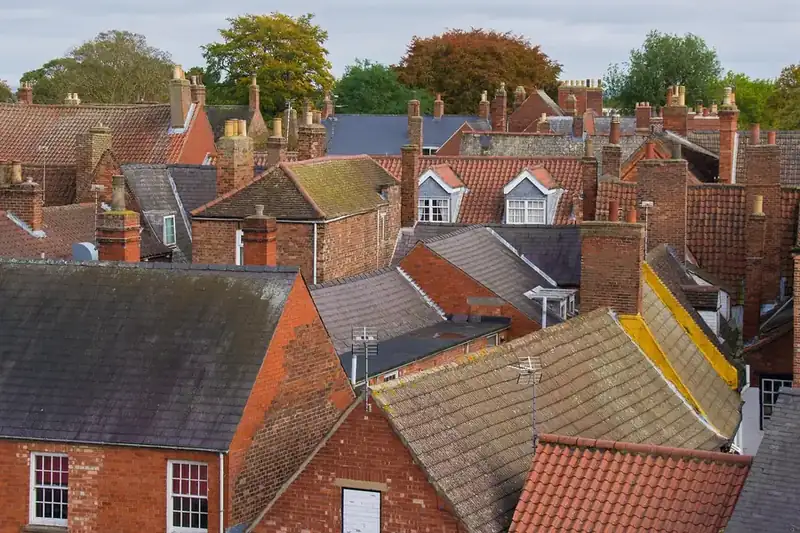
- Solar panel fitters drilling through tiles or slates to fix brackets, then walking across a new roof to reach the ridge
- Aerial and satellite installers fixing dishes to chimney stacks or tiles and cracking the flashing
- Loft conversions and dormers in Addiscombe, Shirley and South Norwood that cut into a roof re-covered only a few years before
- Someone else patching a leak on the guaranteed area without telling the original roofer
- Gutters left blocked for years so water backs up under the eaves course
- An unpaid balance, since most guarantees only take effect once the final invoice is settled
None of this means you cannot have panels fitted or convert the loft. Tell the roofer who holds the guarantee before the work starts. Many will agree to inspect afterwards, or to do the roof-side part of the job themselves, so the guarantee survives. And report a leak in writing as soon as you notice it. Waiting a winter can be enough for a claim to be turned down on the basis that the damage got worse through neglect.
TrustMark, NFRC and CompetentRoofer: what the badges actually tell you
Croydon roofers’ vans and websites carry plenty of logos. Three are worth understanding, because each checks something different. TrustMark’s consumer protection pages set out what you get from the government-endorsed quality scheme for work in and around the home: registered firms are vetted against required standards and there is a complaints route if things go wrong.
The National Federation of Roofing Contractors is the UK’s largest roofing trade association. Its members have to show employer’s and public liability insurance and are reviewed for financial standing, and you can check a firm’s claim to membership in the NFRC member directory rather than trusting a logo on a quote.
CompetentRoofer is the NFRC-run scheme that lets registered roofers self-certify that replacement roof coverings meet the Building Regulations. It is one of two schemes listed for that work on the government’s register of competent person schemes. Re-covering a large part of a roof is building work, and if your roofer is not registered with a scheme, the job should go through Croydon Council’s building control instead. Either way you should end up with paper showing it was signed off. Buyers’ solicitors ask for exactly that, and a missing certificate on a re-roofed 1930s semi in Selsdon or Coulsdon can hold up a sale for weeks.
Selling in Croydon: passing the guarantee on to your buyer
Croydon houses change hands often. Young families trade up from Thornton Heath and Norbury terraces to semis in Shirley and Sanderstead, and landlords buy and sell converted flats around East Croydon station. Each time, the seller’s solicitor sends over the TA6 Property Information Form, which asks directly about guarantees and warranties. A roof guarantee that can be handed over is a real point in your favour.

Check the transfer clause now, not when an offer arrives. Some guarantees pass to the next owner automatically. Others need the buyer to be registered with the guarantor, sometimes for a small fee, within a set period after completion. On a house split into flats the guarantee will normally be in the freeholder’s name, so a leaseholder selling a top-floor flat needs a copy from them. We covered the wider question of what a buyer’s survey makes of an older roof in our guide to selling a Croydon house with a roof problem.
Keep a roof folder, and keep it somewhere dry
Paperwork is where most roofing guarantees actually fail. The certificate was emailed to an old work address, or filed in a box in the loft that has since been cleared. Keep one folder, paper or digital, for each roof job.

Put in it the written quote and final invoice, both showing your address and a description of the work; the workmanship guarantee; any manufacturer certificate registered to your address; the insurance-backed guarantee policy number and insurer’s contact details; the CompetentRoofer certificate or building control completion certificate; and a handful of dated photos of the finished roof. The day you need to claim, sell or get the same firm back up the ladder, it saves an awful lot of phone calls.
If you would like a roof inspected, a guarantee you hold explained, or a quote that sets out exactly what cover comes with the work, get in touch for a free survey in Croydon.
Frequently asked questions
What is the difference between a workmanship guarantee and an insurance-backed guarantee?
A workmanship guarantee is the roofer's own promise to come back and fix faults in their work, so it is only as good as the firm. An insurance-backed guarantee is a policy, bought for your job and registered with an insurer, that pays for those faults to be put right if the roofer has stopped trading and cannot honour its promise. In most cases it does not pay out while the original firm is still in business.
Can I transfer a roof guarantee when I sell my house in Croydon?
Often, yes, but it depends on the wording. Many workmanship and insurance-backed guarantees run with the property and pass to the buyer automatically, while some need the new owner to be registered or a small fee paid. Read the transfer clause before you list the house, and hand the original documents to your solicitor so they can go to the buyer's conveyancer.
What happens to my roof guarantee if the roofer goes out of business?
A plain workmanship guarantee usually dies with the business, because there is nobody left to honour it. That is the gap an insurance-backed guarantee is designed to fill. Manufacturer warranties on the materials themselves may still stand, but they normally cover product defects only and often require the installer to have been approved by that manufacturer.
Does a roofing guarantee cover storm damage?
Usually not. A guarantee covers faults in the materials or the way they were fitted. Tiles lifted by a severe gale, a branch through the roof or damage from someone else's work are normally matters for your buildings insurance. If the roofer fixed something badly and that is why it failed in ordinary wind, that is a guarantee claim.
Free roof survey and a fixed written quote
Anywhere in Croydon and the surrounding CR postcodes. No call-out fee.