
4 October 2026
Chimney Stacks On Croydon Houses: Repoint, Rebuild, Cap Or Take It Down?
Most Croydon chimney stacks are shared with next door. How to tell what is wrong with yours, when to repoint, rebuild, cap or remove it, the party wall and building control rules, and rough costs.
Walk down almost any road in Thornton Heath, Selhurst or South Norwood and count the chimneys. You will run out of fingers before the end of the block, and almost every one of them belongs to two households at once. The stack on a Croydon terrace was built straddling the party wall, carrying flues from both houses, and on the borough’s interwar semis the same thing happens in the middle of the hipped roof. Hardly anyone in those houses still burns coal, yet the stacks are still up there taking around 35 nights of air frost a year (the Met Office average at Kenley) and the best part of 850mm of rain. When one starts to go, the question is rarely just “what does it need?”. It is also “whose is it?”, and the answer changes what you can do and what it costs. Here is how we work through it on a survey.
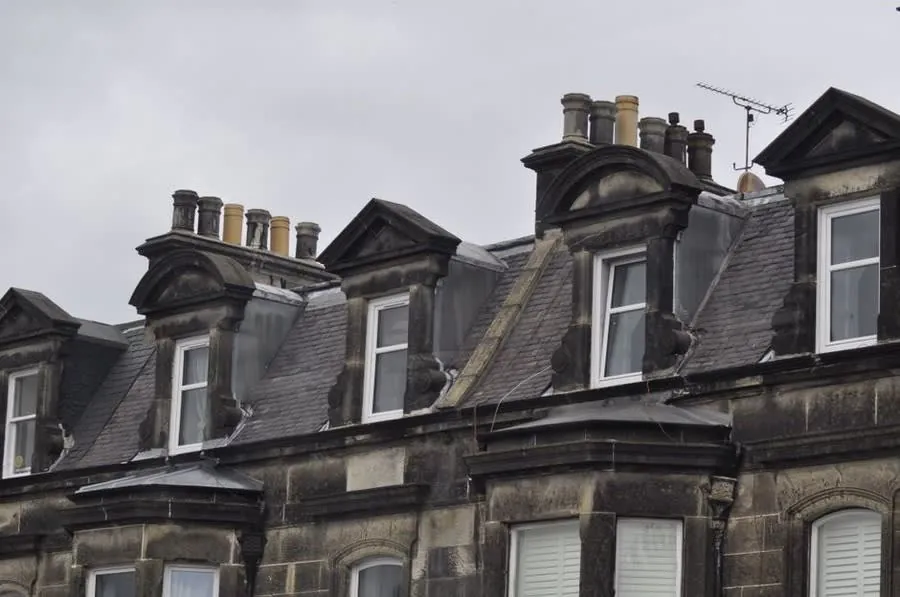
Half a stack each: how Croydon chimneys were built
A late Victorian builder putting up a row in Selhurst or Broad Green had one stack to every pair of houses, sat squarely on the wall between them. Every fireplace in both homes fed a flue in that one block of brick - front room, back room, two bedrooms, sometimes the kitchen range as well - which is why you see six or eight pots lined up on a single stack. Your flues are on your side and next door’s are on theirs, separated by a single thin wall of brick inside the stack called a withe. The masonry is shared all the way up.
The interwar semis that fill Shirley, Sanderstead, Coulsdon and Norbury follow the same logic on a smaller scale. There is usually one shared stack rising through the party wall near the ridge, and sometimes a second one on the flank wall that is entirely yours. If you are not sure which is which, stand in the street and look at where the stack meets the roof. If it sits on the line between the two houses, it is half theirs. Our chimney repair service starts with exactly that check, because it decides who needs to be told before anyone climbs a ladder.
What a tired stack looks like from the pavement
You can learn a lot from the street with a pair of binoculars and ten minutes. On the yellow London stock brick so common in the north of the borough, look for faces that have flaked away and left the brick rounded and pitted - that is spalling, and it is worst where somebody repointed in hard cement mortar years ago. The cement is stronger and less porous than the soft stock brick around it, so rainwater leaves through the brick instead of the joint, freezes in the face and pops it off. A stack repointed in the wrong mortar can lose more brick in twenty years than it did in the hundred before.
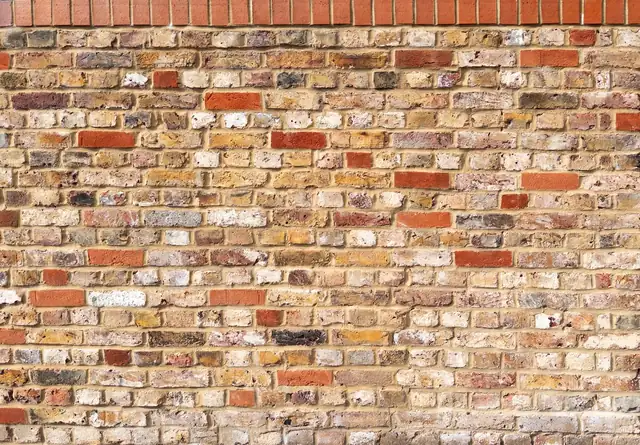
Then look at the joints themselves. Recessed, crumbling mortar you could rake out with a fingernail means the stack is due for repointing. Look at the top, where the pots sit in a sloped bed of mortar called the flaunching: cracks there, or a pot that looks a few degrees off upright, mean water is getting in at the head of the flue. Finally, look at where the stack comes through the slates. Lead should be dressed up the brickwork and tucked into a joint. Lumpy black bitumen or a cement fillet instead of lead usually means a previous owner chose the cheaper fix.
Why so many Croydon stacks lean, and when it matters
A chimney that leans like it has had a few drinks is a familiar sight on old London roofs, and most of the time the cause is sulphate attack rather than subsidence. A century of coal and coke fires left sulphate deposits in the flue lining and mortar. When moisture gets in - rain, condensation from a gas fire that was later fitted to the same flue - those sulphates react with the mortar and make it swell. The side of the stack that takes the most weather gets wetter, swells more and pushes the stack over, which is why a leaning stack usually tips away from the prevailing south-westerly rain.
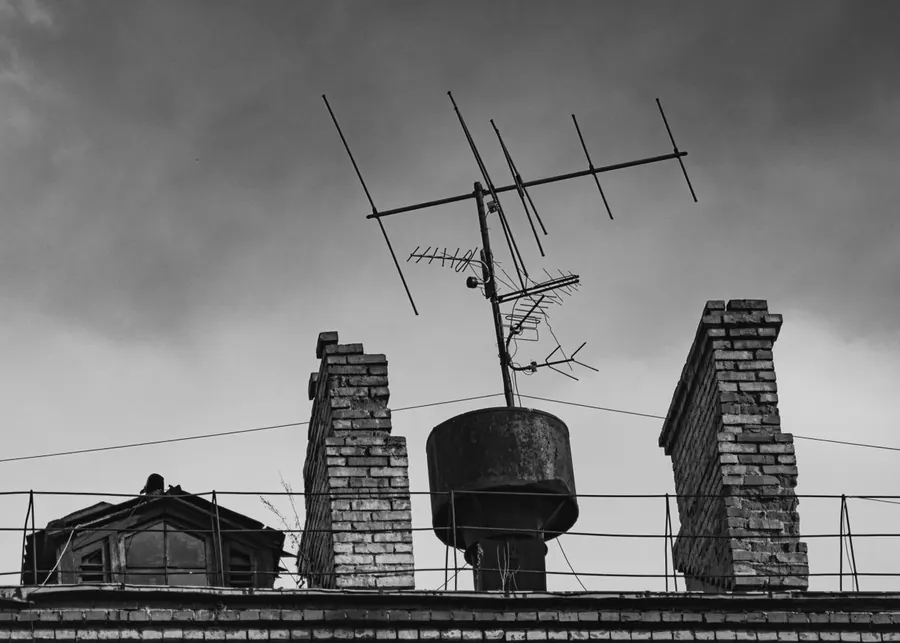
A lean on its own doesn’t mean the stack has to come down. Plenty of Croydon stacks bowed a little decades ago, then stopped, and can be repointed and left for years. What we worry about is movement: fresh cracks, joints opening wider on one side, a pot that has started to tip, or bits of brick turning up in the gutter or the garden. A stack in that state needs taking down to sound brickwork and rebuilding, and if it looks likely to fall before anyone gets there, you can also report it to Croydon Council as a dangerous structure through its building control service. Because the stack is shared, the rebuild is a joint decision, and so is the bill.
Pots, flaunching and flashings: the small jobs that keep water out
A lot of chimney leaks have nothing to do with the brickwork. The flaunching at the top is a thin mortar bed exposed to every frost, and once it cracks, rain runs straight down the outside of the flue liner and into the stack. Re-flaunching, and rebedding any loose pots while you are up there, is one of the cheapest repairs on the list and one of the most overdue we see.
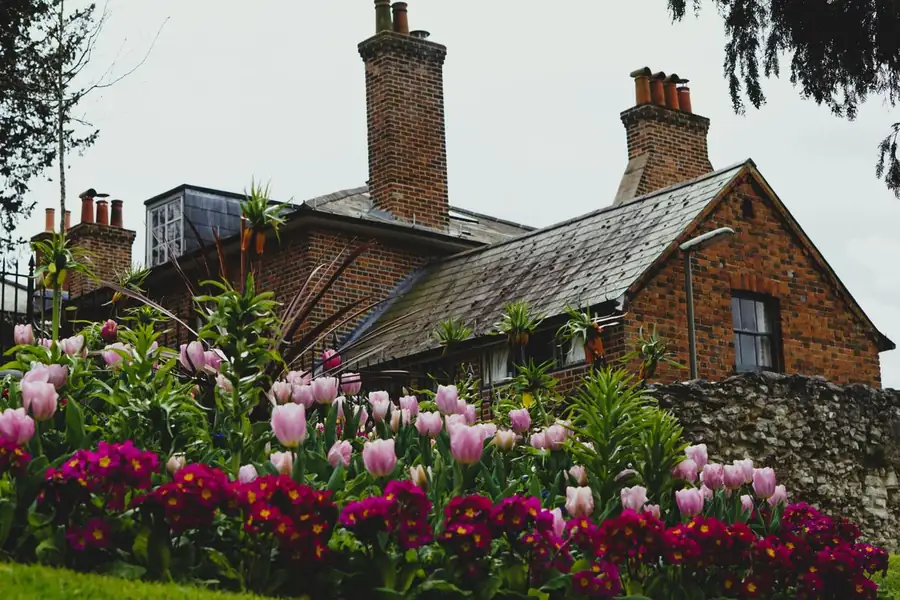
Lower down, the lead does the work. A properly flashed stack has stepped flashings or soakers down each side, a front apron where the roof meets the face of the stack, and a small back gutter behind it to catch the water running down the slope. On a lot of Croydon terraces the back gutter is where it goes wrong, because it collects leaves and moss and nobody sees it from the ground. If your damp patch is on the ceiling just below the chimney breast in the back bedroom, that is where we look first. Code 4 or Code 5 lead, dressed properly, should outlast whoever paid for it. Pay once.
Capping a flue you no longer use
If you have a gas boiler, no open fire and no plans for a wood burner, the flues are just holes in your roof. Capping them stops rain going straight down the flue and birds nesting in the pots. The mistake is to seal them shut. A flue sealed at both ends traps whatever moisture is already in the brickwork, and over a couple of winters it comes out as a brown, salty stain on the chimney breast wallpaper.
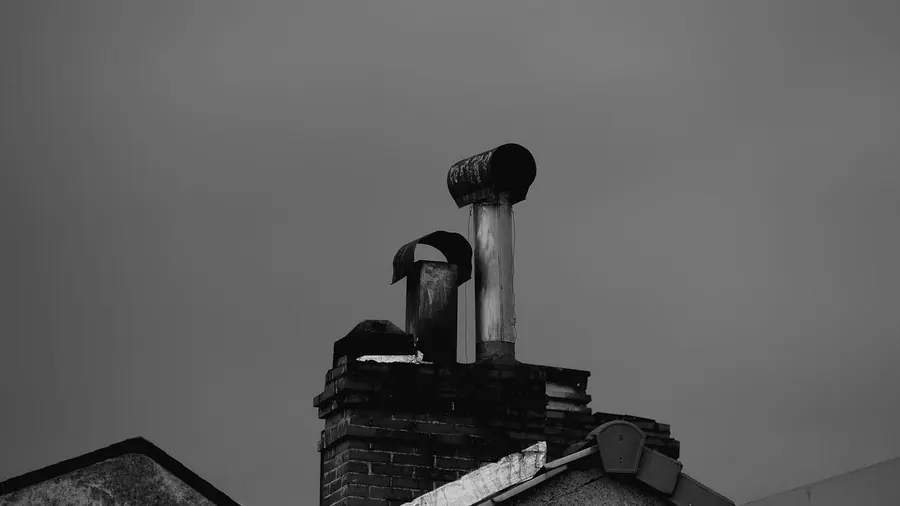
The answer is ventilation at both ends. At the top, a vented cap or cowl on each pot, or a capping slab with a gap under it if the pots are coming off. At the bottom, a small vent grille where the fireplace was boarded over, so room air drifts up the flue and dries it out. On a shared stack you can cap your own flues without capping your neighbour’s, but it makes sense to do both at once if they are not using theirs either, since the access is the expensive part. If anyone in either house still burns anything in a fireplace, that flue must stay open and swept.
Taking it down: the stack, the breast and the paperwork
Removing a stack you never use sounds tidy, and above the roofline it often is. The stack is taken down to below the slates, the top is capped and ventilated, and the roof is felted, battened and slated over so you would never know it had been there. On a party wall stack, though, half of what you are taking down is your neighbour’s, along with their flues, and the government’s party wall guidance lists removing chimneys from a party wall as work you must give notice for, between two months and a year before you start. We covered how shared structures are handled between neighbours in our piece on outrigger roofs and the gutter between them, and the same principles apply here.
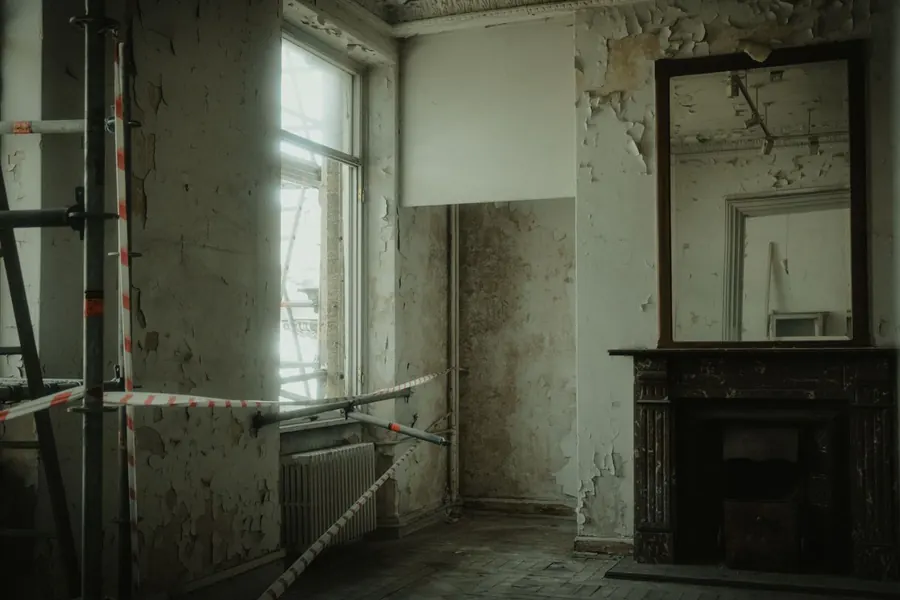
Taking the breast out inside the house is a much bigger job. The breast is part of what holds the stack up, so if you take it out in a ground floor room and leave the rest in place, the masonry above needs new support - usually a steel beam or engineered brackets designed by a structural engineer. That is building regulations work, so it needs approval from Croydon Council’s building control team or a registered private approver before it starts. The nightmare we still find on house surveys is a breast removed downstairs decades ago with the bedroom breast and the stack left hanging above on nothing but habit. If you are buying an older Croydon house and the front room has a suspiciously flat wall where a fireplace should be, ask for the building control completion certificate.
Conservation areas, Article 4 and listed houses
For an ordinary house, repointing, re-flaunching, new lead and like-for-like rebuilding count as repairs and need no planning application. Removing a stack is where it gets less simple. Croydon has 21 conservation areas, and its conservation areas page is the first thing to check. In most of them you can still repair a chimney like-for-like without asking, but chimneys are part of what gives a conservation area its roofline, so the council will expect matching brick, pots and mortar.
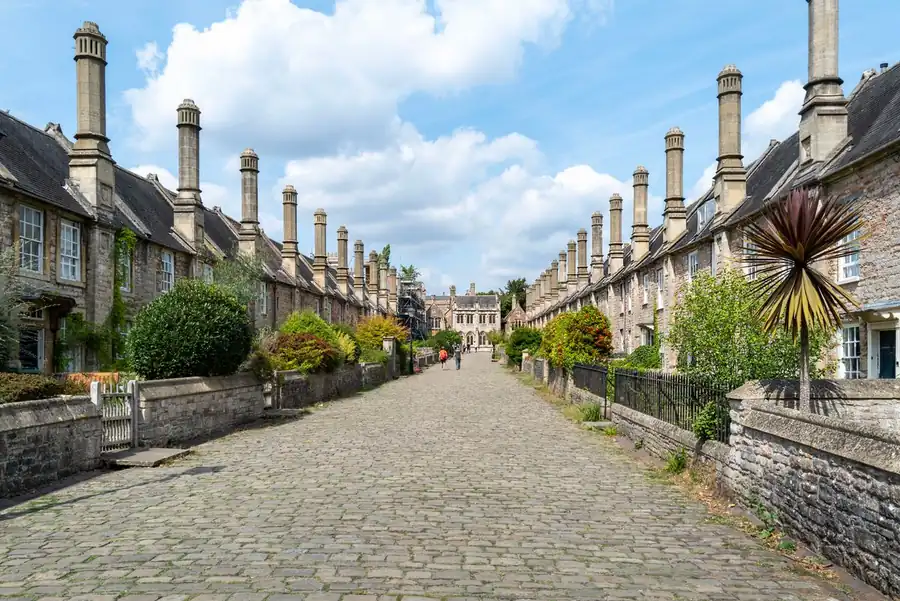
Two situations need more care. The Chatsworth Road conservation area in Addiscombe has an Article 4 direction, in force since January 2016, that brings all alterations to the roof of a house under planning control, and taking a stack down is an alteration to the roof. And if your house is listed, removing or noticeably changing a chimney needs listed building consent, whatever the reason. Our guide to planning permission for roof work in Croydon goes through the other Article 4 areas. If in doubt, ask the planning team before the scaffold arrives, not after.
What chimney work costs in Croydon
These are rough ranges from the work we quote across the borough, including access, which on a chimney is often the largest single item. A tower or roof ladder works for some small jobs. Anything involving the whole stack on a two-storey terrace usually needs scaffold up to the chimney, and that alone can be a third of the bill.
- Re-flaunching and rebedding pots: £350 to £750
- Repointing the stack in a suitable lime or matched mortar: £700 to £1,600
- New lead flashings, soakers and back gutter: £600 to £1,400
- Ventilated caps on disused pots: £120 to £250 each if we are already up there, £350 to £600 as a visit on its own
- Taking down and rebuilding the stack above the roofline: £2,000 to £4,500
- Removing the stack to below the roof and slating over: £1,200 to £2,800
- Chimney breast removal in one room with engineered support: £2,000 to £4,000, plus engineer’s and building control fees
On a shared stack, expect to split the repair costs with next door, usually half each. If one of you wants to remove it and the other does not, the party wall process decides how it goes ahead, and surveyors’ fees can add £1,000 or more. If scaffold is going up for roof work anyway, get the chimney looked at while it is there. The access is already paid for.
Frequently asked questions
Who owns the chimney stack on a Croydon terrace or semi?
On most Victorian and Edwardian terraces, and on nearly every 1930s semi, the main stack sits on the party wall, so half of it belongs to you and half to your neighbour, with flues from both houses running up through the middle. Your deeds may say more, but in practice the stack is treated as a shared structure. That is why the cost of repointing or rebuilding it is usually split, and why taking it down needs your neighbour involved from the start.
Is a leaning chimney dangerous?
It can be. A slight lean that has not moved in decades is often stable, but a stack with a visible bow, open cracks in the joints or loose bricks at the top needs looking at soon. If you think it could fall, keep people away from the area below and get a roofer up straight away. Croydon Council's building control team also takes reports of dangerous structures.
Can I just seal up a chimney I no longer use?
Not completely. If you cap the top and block the fireplace with no airflow, moisture trapped in the flue soaks into the brickwork and shows up as damp on the chimney breast. The right way is a ventilated cap or cowl on the pot, or a vented capping slab, plus a small vent where the fireplace used to be, so a little air keeps moving through the flue.
Do I need permission to remove a chimney breast in Croydon?
Yes, in two ways. Taking out a chimney breast is structural work, so it needs building regulations approval through Croydon Council's building control or a registered private approver, with support for any masonry left above designed by an engineer. If the breast or stack is on the party wall you must also serve notice on your neighbour under the Party Wall etc. Act 1996, between two months and a year before the work starts. Planning permission is a separate question that depends mainly on whether the house is listed or covered by an Article 4 direction.
Free roof survey and a fixed written quote
Anywhere in Croydon and the surrounding CR postcodes. No call-out fee.