
23 August 2026
How To Choose A Roofer In Croydon Without Getting Stung
Roofing has the widest gap of any trade between a fair price and a terrible one. Seven checks that sort a decent Croydon roofer from a doorstep one.
Roofing has the widest gap of any domestic trade between what a job should cost and what people actually get charged. The reason is simple: you cannot see the work. A homeowner in Purley can inspect a new kitchen from every angle, but almost nobody climbs up to check whether the battens were replaced or whether the flashing was dressed into the joint properly. That asymmetry is why roofing attracts more doorstep trading than any other trade, and why it is worth spending twenty minutes on the choosing before you spend thousands on the doing. What follows applies anywhere, but the local detail is written for Croydon, where four separate planning authorities and 21 conservation areas add complications a roofer really ought to know about.
Start with who is knocking on whose door
The single most reliable filter is direction of travel. Did you find them, or did they find you? Established roofers in this borough do not need to cold-call, because they are booked up on word of mouth and repeat work. Somebody who turns up unannounced saying they noticed a problem with your roof while working nearby has a business model, and it is not roofing.
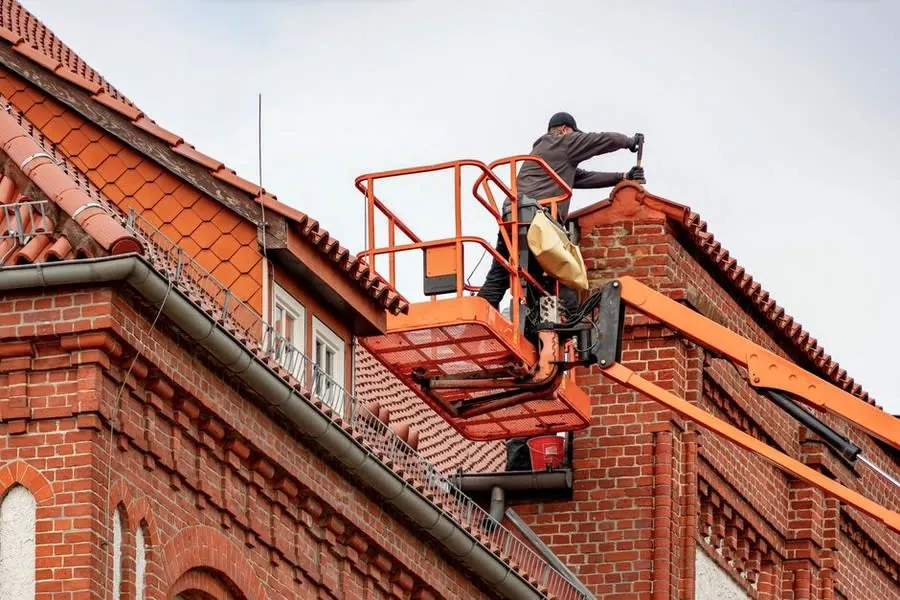
This intensifies enormously after a named storm. Wind damage generates a wave of genuine work, and it also draws in outfits that follow weather around the country.
The pattern is consistent: an offer to inspect for free, an alarming report, pressure to start immediately, and a price that has to be decided today. Citizens Advice publishes practical guidance on how to check whether something is a scam, and the tells it lists map almost exactly onto doorstep roofing.
None of this means every roofer who approaches you is dishonest. It means the burden of proof sits with them, and a genuine one will have no problem with you taking a week to decide.
Did anyone actually go up and look?
A quote produced from the pavement is a quote for a product, not a diagnosis. On a leak in particular, somebody who has not been in your loft is guessing, because half the evidence about where water is entering is on the underside of the roof rather than the top.
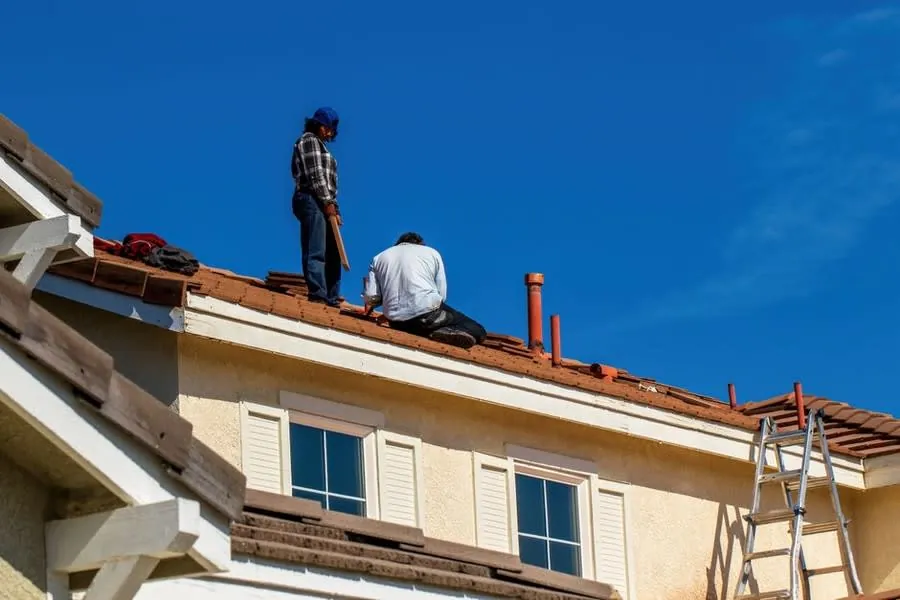
Water lands on a slate, runs under it, drops onto a rafter and then travels along that rafter before it falls. On a wide hipped roof in Sanderstead or Shirley it can travel several metres. That is why so many repairs fail: the previous roofer mended what was directly above the stain, which was never where the water was getting in. Our page on roof leak repairs goes into how leaks are actually traced.
So the question to ask is not “can you fix it” but “what caused it”. If the answer is a shrug and a number, you are being sold a patch. If the answer is a mechanism you can follow and repeat to somebody else, that is a diagnosis.
Insist on an itemised written quote
One number on a piece of paper is not a quote, it is a figure. It cannot be compared with anything, and it does not tell you what has been included. On any substantial job you want the price broken into separate lines: access, strip and disposal, membrane, battens, the covering itself, leadwork, ridge, ventilation and rainwater goods.
Access deserves particular attention, because on smaller repairs it regularly costs more than the work. A single slate replaced from a ladder on a Selsdon bungalow and the same slate replaced from full scaffold on a three storey Victorian frontage in South Croydon are the same twenty minutes of roofing and wildly different bills. If access is buried inside a single figure you cannot tell which you are paying for.
The other reason to itemise is that it exposes omissions. When two quotes for a replacement differ by two thousand pounds, the cheaper one has usually left something out. Re-using existing battens is the classic, because it saves the contractor a day, is completely invisible from the ground, and costs you about a decade of roof life.
Check the insurance, properly
Public liability insurance is the minimum, and you are entitled to see the certificate rather than be told it exists. It covers damage to your house and injury to anyone else while the work is going on, which on a roof is not a theoretical risk.
Look at the date on it. A certificate that lapsed eight months ago is worse than useless, because it suggests somebody who knows they should have cover and has stopped paying for it. Ask for a copy by email. That takes a legitimate firm about thirty seconds. Trade membership is worth something too, though less than people assume. The National Federation of Roofing Contractors is the main body for the trade, and TrustMark operates a government-endorsed scheme across trades. Neither is a guarantee of good work, and plenty of excellent small roofers belong to neither. Treat membership as a positive signal rather than a requirement, and treat a claimed membership that turns out not to exist as decisive.
Do they know this borough?
Croydon is an awkward place to roof if you do not know it, and a roofer who works here regularly will show it without being asked. The borough climbs roughly four hundred feet from the Victorian terraces at Thornton Heath onto the North Downs chalk at Kenley and Sanderstead, and what fails changes as you go up.
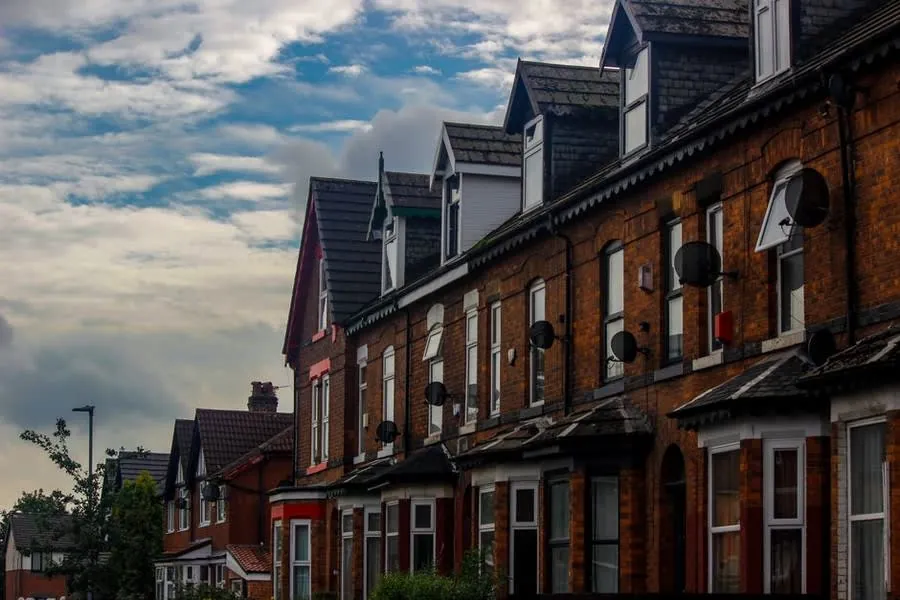
In the north it is slate, parapets, shared gutters and party stacks, and the faults are about age: nail fatigue letting slates go with no weather to explain it, or a neighbour’s gutter putting water into your wall. In the south it is concrete tile on hipped interwar roofs, and the faults are about exposure. The Met Office long-term average at Kenley Airfield is around 847mm of rain a year across roughly 130 rain days, with about 35 nights of air frost.
The planning knowledge matters just as much. A roofer who does not know that the Chatsworth Road conservation area in Addiscombe has an Article 4 direction covering all roof alterations, or who assumes a CR3 postcode means Croydon Council rather than Tandridge, can land you in a genuinely awkward position. Our post on planning permission for roof work in Croydon sets out where those lines fall.
Look at what the reviews actually say
Star ratings tell you almost nothing. The text tells you a great deal, and the reviews worth reading are the detailed ones and the mediocre ones.

A review that describes the actual problem and the actual fix is written by a real customer. A run of five-word reviews all posted the same week is not. Look for local place names you recognise, because a roofer who genuinely works Croydon will have reviews from Coulsdon and Addiscombe rather than from three different counties. Then look at how the bad ones were handled. Every trade gets things wrong occasionally, and a firm that answers a three-star review by explaining what happened tells you more about itself than any number of five-star ratings do.
Warning signs worth walking away from
Some things should end the conversation. Pressure to decide today, or a discount that expires this afternoon, has no legitimate purpose on a roof - the price of slate does not change overnight. Any request for a large cash payment up front, particularly before materials are ordered, is a bad sign. So is a reluctance to put anything in writing.
Be wary of anyone who leads with your moss. Moss rarely causes leaks. It sheds into gutters and holds damp against the covering, both of which are worth dealing with, but it is not a reason to replace a roof and it is the easiest thing in the world to photograph alarmingly.
Finally, be cautious of a firm that finds only the most expensive answer. Genuine roofing includes a lot of days where the honest response is that the roof is sound and to come back in five years. If everybody who calls that firm apparently needs a full replacement, that tells you what the survey was really for. If you want a sense of what things should cost before you speak to anybody, our roof repair cost guide gives honest bands for the jobs that come up most often.
Frequently asked questions
Should I use a roofer who knocks on my door in Croydon?
Treat it with real suspicion, particularly in the days after a storm. Established roofers in this borough are busy enough without cold-calling, and doorstep roofing is one of the most common routes to being badly overcharged for work that was not needed. Never agree on the spot, never pay in advance, and get an independent second opinion before anything starts.
How many quotes should I get for roof work?
Two is the practical minimum and three is better on anything running into four figures. The important thing is that they are itemised, so you can compare like with like. A cheaper quote is very often one that has left something out, and re-using old battens on a replacement is the classic omission because it is invisible from the ground.
Should a roofer ask for a deposit?
Not for ordinary repairs. On larger jobs where materials have to be ordered specifically, such as reclaimed slate or a discontinued tile profile, a materials deposit is normal and should be itemised. Large cash sums up front are a warning sign, and so is any pressure to pay before work begins.
What insurance should a roofer have?
Public liability insurance at minimum, and you are entitled to see the certificate. It covers damage to your property and injury to third parties. Ask for it in writing rather than accepting a verbal assurance, and check the policy is current rather than simply that one exists.
Free roof survey and a fixed written quote
Anywhere in Croydon and the surrounding CR postcodes. No call-out fee.