
12 October 2026
Lead Flashing, Valleys And Abutment Leaks On Croydon Roofs: Finding Them And What The Repair Costs
How to trace a lead flashing, valley or abutment leak on a Croydon house from the stain indoors, what a proper repair involves, and what it costs in 2026.
When rain gets into a Croydon house through the roof, it rarely comes through the middle of a slope. It comes in where the roof stops: against a chimney, along a party wall, down the line where two slopes meet, or at the wall above a bay window. Those joints are sealed with lead flashing, lead-lined valleys or, on cheaper repairs, a strip of sand and cement, and they fail long before the tiles or slates do. This guide shows how to work out which junction is leaking from the stain inside, what a proper repair involves, and what lead flashing and valley repairs cost in Croydon in 2026. A few numbers worth knowing first: Code 4 lead, the standard for most flashings, is 1.80mm thick and weighs about 20kg per square metre, and a single piece should not run much more than a metre and a half before it is lapped onto the next.
Reading the stain: which junction is leaking on a Croydon house
Before anyone goes up a ladder, the ceiling and walls tell you a lot. Lead and valley leaks put water in predictable places, and on Croydon’s Victorian and Edwardian housing those places are much the same from one street to the next.
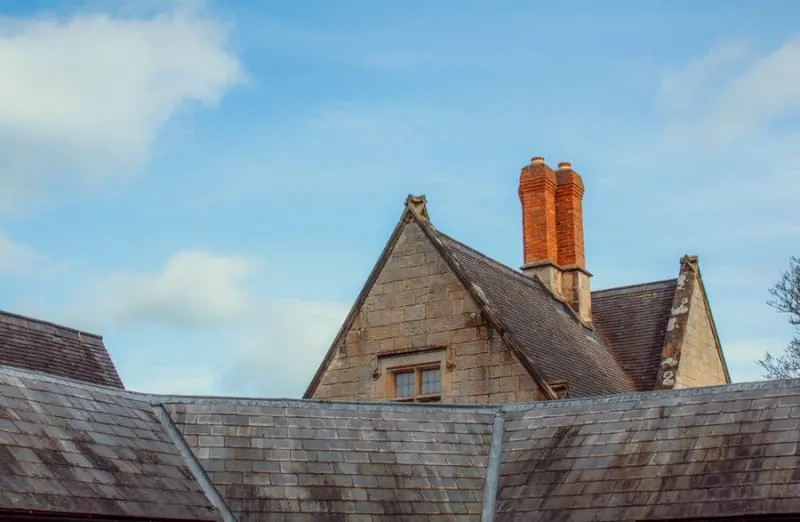
A damp patch on the chimney breast in the top front bedroom, often worse after south-westerly rain, points to the flashings around the stack. A wet line along the top of the wall you share with next door, on a terrace in Selhurst or South Norwood, points to the abutment where your roof meets the party wall. A brown stain in the corner of a back bedroom, where the rear wing joins the main house, is nearly always the junction over the back addition. And water appearing at the head of a bay window, sometimes running down inside the frame, is the small lead roof over the bay or the flashing where it meets the front wall.
None of this is proof. Condensation, a cracked pot or a blocked gutter can leave similar marks. But if the stain hugs a wall and only shows up in wind-driven rain, flashing is the first suspect. If you want someone to find it properly, our roof leak repair service in Croydon starts with exactly that: loft first, then roof, then a water test if the fault still hides.
Chimney stacks and party walls: two abutments every terrace has
An abutment is anywhere a roof slope runs into a wall that rises above it. Every chimney stack has four sides of abutment, and on a terrace where the party walls are carried up through the roof as a low brick parapet, each house has a long one on either side as well.

Done properly, the side of a stack or parapet has a soaker under each tile or slate, turned up the wall, with a stepped cover flashing over the top that is wedged and pointed into the brick joints. The front of the stack gets an apron dressed down over the tiles. The back, where the slope runs straight into the brickwork, needs a small back gutter to carry water round the sides. That back gutter is where we find the most trouble on Croydon stacks, because it holds leaves, it sits in the shade, and on a lot of houses it was never there in the first place.
Usually the fault is small and boring. The mortar holding the flashing into the joint dries out and the lead lifts a few millimetres. The wedges work loose. Someone has repointed the stack and smeared fresh mortar over the lead instead of raking it out and re-tucking it. We cover the stack itself, whether to repoint, rebuild or take it down, in our chimney stacks guide. This section is only about the lead that seals it to the roof.
Back-addition valleys: two slopes, one channel
Valleys collect more water than any other part of a roof, because two slopes drain into one channel. On Croydon terraces you get them in two places: where the main roof meets the roof of the back addition, and between two neighbouring back additions that slope towards each other.
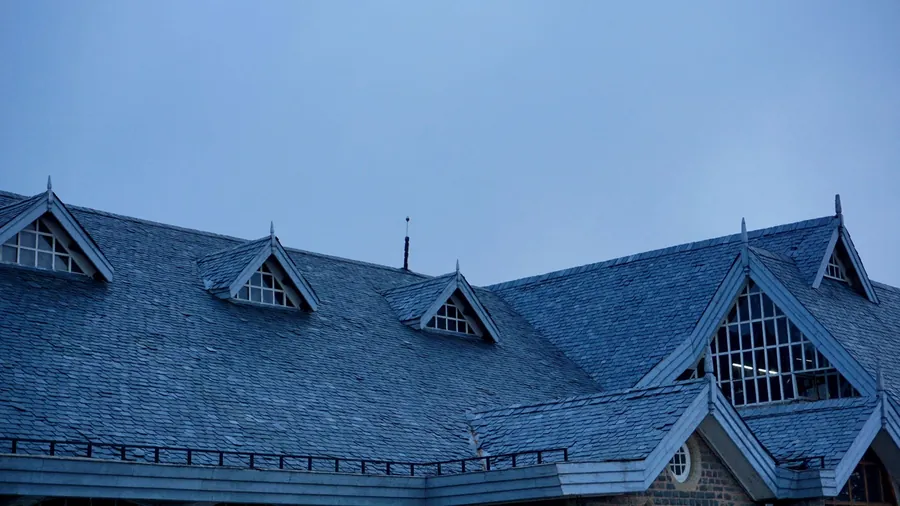
A lead valley is laid on boards between the rafters, with the tiles or slates cut and lapped over it on each side. The lead itself often outlasts the timber underneath. Water that has crept past a split, or condensation forming under the lead in winter, softens the boards until the lead sags, and once it sags it holds water instead of shedding it. Leaves from the gardens behind Thornton Heath and Addiscombe make that worse every autumn. The shared gutter between two back additions brings the extra problem of who pays, which our back addition roof guide covers alongside the rest of that rear slope.
The lead over a bay window
Bay windows are the junction people forget. The Edwardian semis and terraces in Norbury, Thornton Heath and around Upper Norwood have a lot of two storey bays, some with a small lead flat on top and some with a little tiled hipped roof. Either way there is a flashing where the bay meets the front wall, and because the bay sticks out into the weather, that flashing takes rain from three directions.
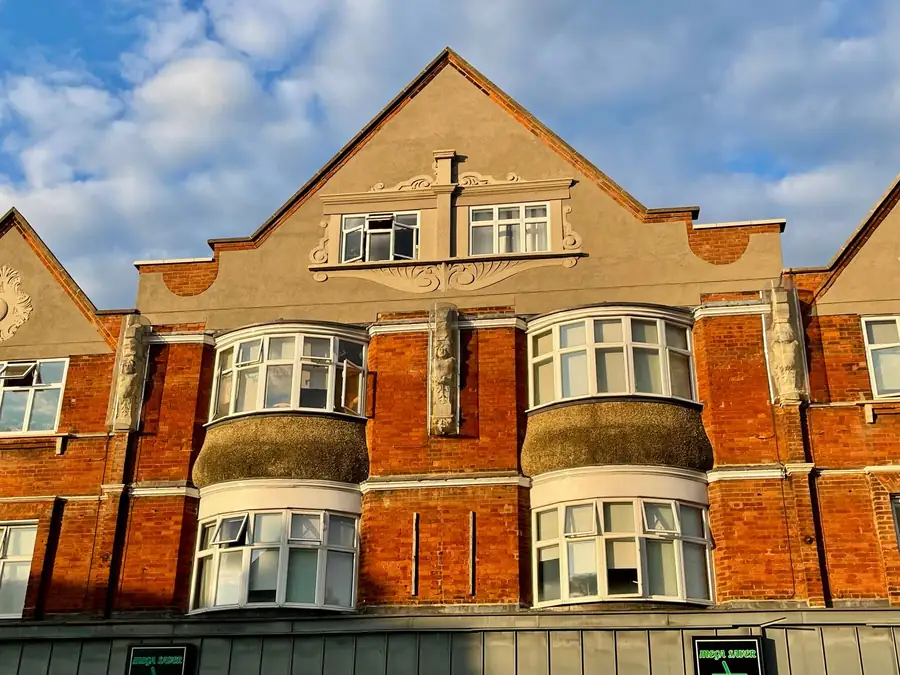
A leaking bay roof often gets misdiagnosed as a window problem. If the water appears at the top of the frame after heavy rain and the window has been resealed once already, have someone look at the lead above it.
Mortar fillets: why the cheap fix keeps coming back
A lot of junctions in Croydon were never leaded at all, or were leaded and later “repaired” with a wedge of sand and cement trowelled into the angle between roof and wall. That wedge is a fillet. Builders used them on cheaper Victorian work and they turn up constantly on back additions, porch roofs and the sides of party wall parapets.
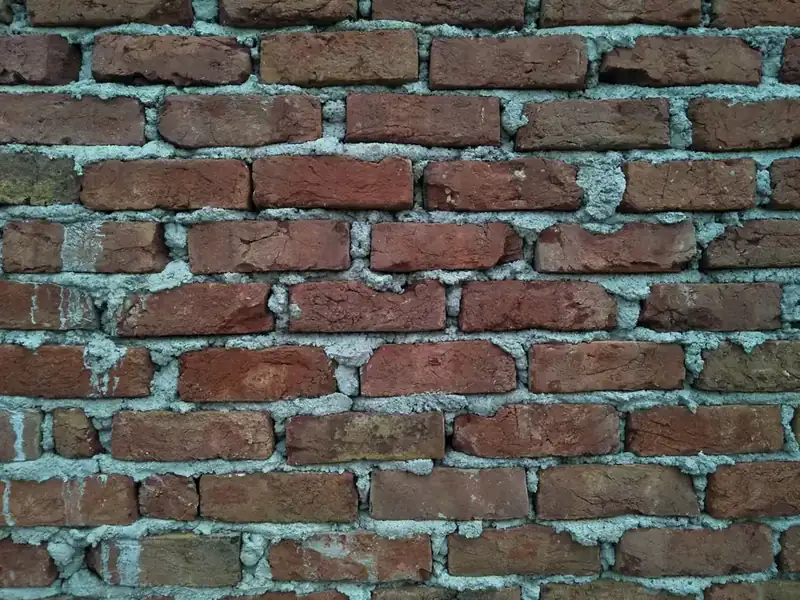
The trouble is movement. The wall, the roof timbers and the tiles all expand, shrink and settle at different rates, and a rigid strip of mortar spanning between them has nowhere to give. It cracks along its length, then shrinks back from the brick, and water runs into the gap and straight down the inside face of the wall. Patching it with more mortar, or with a tube of sealant, buys a season or two.
Lead doesn’t have that problem, because it bends. Soakers under each course move with the tiles, and the cover flashing above moves with the wall, so the two can shift past each other without opening a gap. If your quote says “rake out and renew fillet”, ask what it would cost to replace it with lead instead. On most abutments the difference is a few hundred pounds, and the lead version should still be there in thirty years.
Lead flashing codes and piece lengths: what should be on the quote
Lead sheet is sold by code, which is a rough guide to its weight. Code 3 is 1.32mm thick, Code 4 is 1.80mm, Code 5 is 2.24mm and Code 6 is 2.65mm. Thicker lead is stiffer, lasts longer and copes better with foot traffic and standing water, but it costs more and is harder to dress into tight shapes.
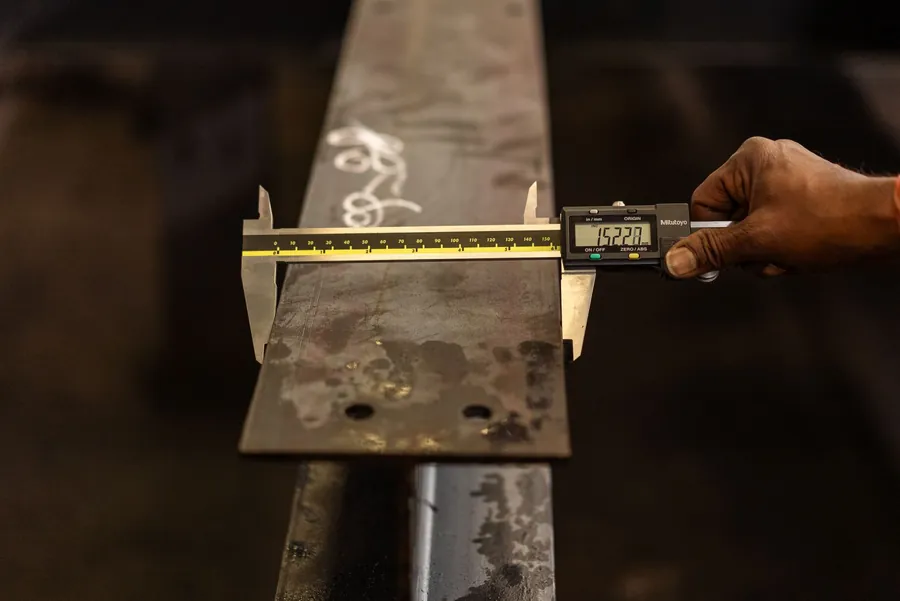
As a rule of thumb, soakers are Code 3 or Code 4, stepped and cover flashings are Code 4, and valleys and chimney back gutters are Code 4 or Code 5, with Code 5 the better choice where a lot of water collects. If a roofer quotes for a valley in Code 3, that is a corner being cut.
Length matters as much as thickness. Lead expands and contracts noticeably as it heats and cools, and a long piece fixed at both ends tears itself apart along the fixings. Each piece should be short, lapped over the next by at least 100mm, and fixed only at the top so the rest can move. After a hot summer like the ones south London has had recently, the splits we find are nearly always in pieces that were too long or nailed too often. The Lead Sheet Training Academy trains roofers to these standards, and it is reasonable to ask whoever is quoting where they learned their leadwork.
Lead theft in Croydon and the alternatives to lead
Lead is valuable enough to steal, and low back-addition roofs and bay roofs reached from a garden wall or a flat-roofed extension are easy targets. Thieves usually take the long, easy pieces: valley linings, aprons, and the lead from bay tops. You tend to find out at the next downpour.
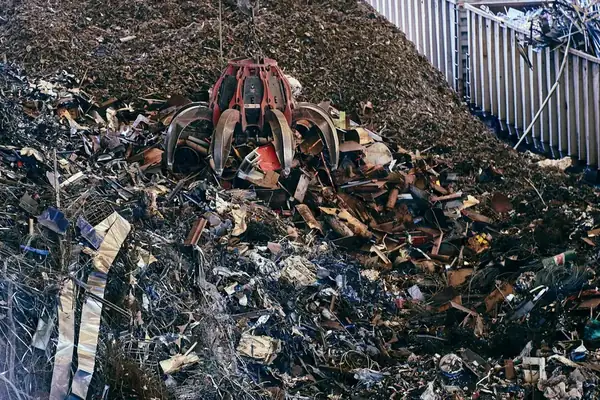
The law has made it harder to sell. Under the Scrap Metal Dealers Act 2013, scrap dealers must be licensed by the council and cannot pay cash. It still happens, though, and it goes up when scrap prices do.
If your lead has gone, or you would rather not put back something worth stealing, there are alternatives. GRP (glass fibre) valleys come pre-formed and are common on concrete-tiled 1930s roofs. Flexible lead substitutes made from polymer or aluminium-backed materials can be dressed like lead and have no scrap value. They are lighter and cheaper to fit, but they do not last as long as properly laid lead, and in one of Croydon’s conservation areas a visible change from lead on a front elevation may not be welcome. On a back addition nobody can see from the road, a substitute is a sensible choice. On the front of a period house, lead is still usually the right answer, with the pieces marked with a forensic marking product and a note to your insurer.
Lead flashing and valley repair costs in Croydon
These bands are what we quote across the borough in 2026. They cover the work itself. Access comes on top and is often the biggest line on the bill.

- Re-wedging and repointing loose flashings on a stack, with no new lead: £250 to £550
- New lead around a chimney stack, with soakers or steps, apron and back gutter: £600 to £1,400
- Replacing a cracked cement fillet with lead soakers and cover flashing, per abutment of a few metres: £350 to £900
- Re-covering a small lead bay roof, or renewing the flashing where the bay meets the wall: £450 to £1,300
- Relining a valley in new lead, with new boards where the old ones have rotted: £900 to £2,200
- Replacing stolen lead with a GRP valley or lead substitute: usually a little under the lead price for the same job
- Tracing a leak that nobody can find: £200 to £900, depending on how buried it is
What pushes the price up
Scaffold on a two storey elevation in Croydon costs £500 to £1,200, and it needs a licence from the council if it stands on the pavement. Back-addition and bay work can often be done from a tower or a ladder, which saves a lot. Rotten boards under a valley, a stack that needs repointing before it can be reflashed, and a neighbour’s half of a shared gutter all turn up once the old lead comes off. A good quote names the lead code, says whether the boards are included, and lists access as its own line.
If you are weighing this against other jobs on the same roof, our roof repair costs guide for Croydon lists the other common repairs by symptom. It also makes sense to check that whoever you hire belongs to a trade body such as the National Federation of Roofing Contractors, whose members are checked before they are allowed to join.
If you have a stain that follows a wall or appears over a window, book a free roof inspection in Croydon and we’ll trace the junction and send a written quote with the lead code and access costs set out separately.
Frequently asked questions
How do I know if my roof leak is coming from the lead flashing?
Look at where the stain is. A flashing leak shows up close to a wall or a stack rather than in the middle of a ceiling: down the side of a chimney breast, along the top of a party wall, at the corner where a back bedroom meets the main house, or above a bay window. It usually appears after rain driven from one direction rather than after every shower. A roofer can confirm it from the loft or by water-testing the junction.
How much does it cost to replace lead flashing in Croydon?
New lead around a chimney stack, meaning soakers or stepped flashings, a front apron and a back gutter, usually costs £600 to £1,400. Replacing a few metres of failed abutment flashing or cement fillet is typically £350 to £900. Relining a valley in new lead with a new board under it is £900 to £2,200. Scaffold or tower access is on top and on a terrace can be £500 to £1,200.
Is a mortar fillet as good as lead flashing?
Not for long. A cement fillet is rigid and sits between a wall and a roof that move differently, so it cracks and pulls away from the brickwork, usually within a few years. Lead soakers under the tiles with a cover flashing tucked into the mortar joint above can flex with that movement and will normally last decades. Fillets are still found on a lot of Croydon back additions and are one of the most common causes of leaks there.
What code of lead should be used on my roof?
Soakers are normally Code 3 or Code 4, stepped and cover flashings Code 4, and valleys and chimney back gutters Code 4 or Code 5. Code 4 is 1.80mm thick and Code 5 is 2.24mm. The quote should say which code is being used for each part, and each piece should be kept short enough to expand and contract without splitting.
Free roof survey and a fixed written quote
Anywhere in Croydon and the surrounding CR postcodes. No call-out fee.