
20 October 2026
How Long Does A Roof Last In Croydon? Every Layer Runs On Its Own Clock
Slate, clay, concrete, felt, rubber and lead all wear at different rates, and the nails often give out first. What that means for each era of Croydon house.
There’s no single answer to how long a roof lasts, because a roof isn’t one thing. On a typical Croydon house it is six or seven materials stacked on top of each other, and each wears out at its own pace. Welsh slate on a Thornton Heath terrace can be fit for another fifty years while the iron nails holding it rusted through before anyone now living there was born. The concrete tiles on a 1970s re-roof in Shirley might have a decade left, the felt under them less. The rough figures are well known: natural slate commonly passes 100 years, clay plain tile 70 to 100, concrete tile 50 to 60, and old-style felt on a flat roof somewhere between 10 and 20. What decides when your roof needs replacing is whichever layer underneath fails first, and on a Croydon house that depends on when it was built. This guide goes through each material, each era of the borough’s housing and the signs that the end is getting close.
A roof is several clocks, not one
Think of the roof as layers. On top sits the covering, the slates or tiles or membrane you can see from the street. Under that are the fixings, nails and clips. Then the battens, the timber strips the tiles hang on. Then the underlay, if there is one. Round the edges and junctions sit the mortar on the ridge and verges and the lead at the chimney, walls and valleys.
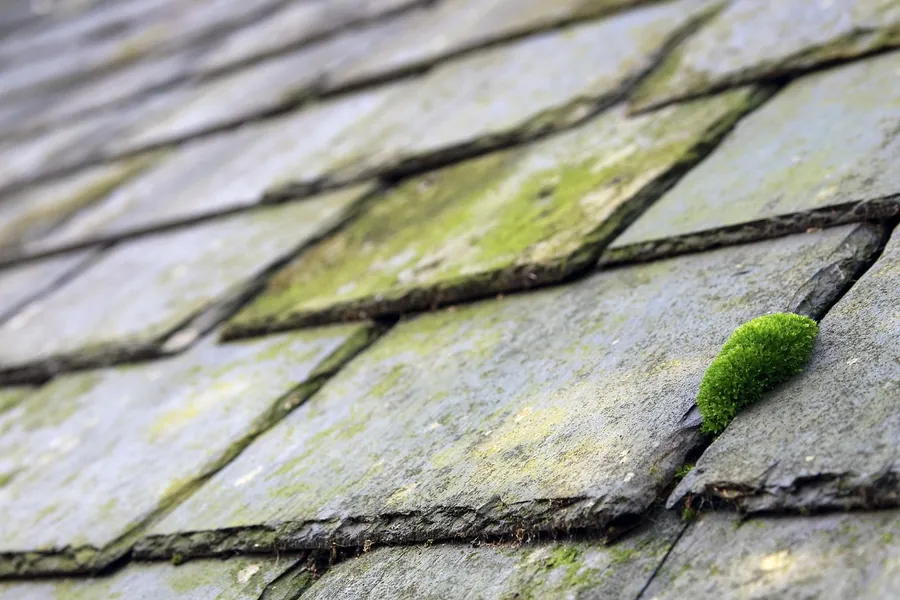
Each layer has a lifespan, and the roof as a whole lasts only as long as the weakest one that matters. Mortar and flashings can be renewed on their own without touching the rest. Nails and battens can’t. Once they’ve gone across a whole slope, every slate or tile has to come off to put them right, and at that point you’re paying for most of a new roof whether the covering is worn out or not. That’s why so many Croydon roofs get stripped while their slates are still good, and why a proper roof replacement in Croydon usually saves and relays the best of the old covering where it can.
Slate, clay and concrete: what the covering itself will give you
These are the three coverings on almost every pitched roof in the borough, and they age very differently.
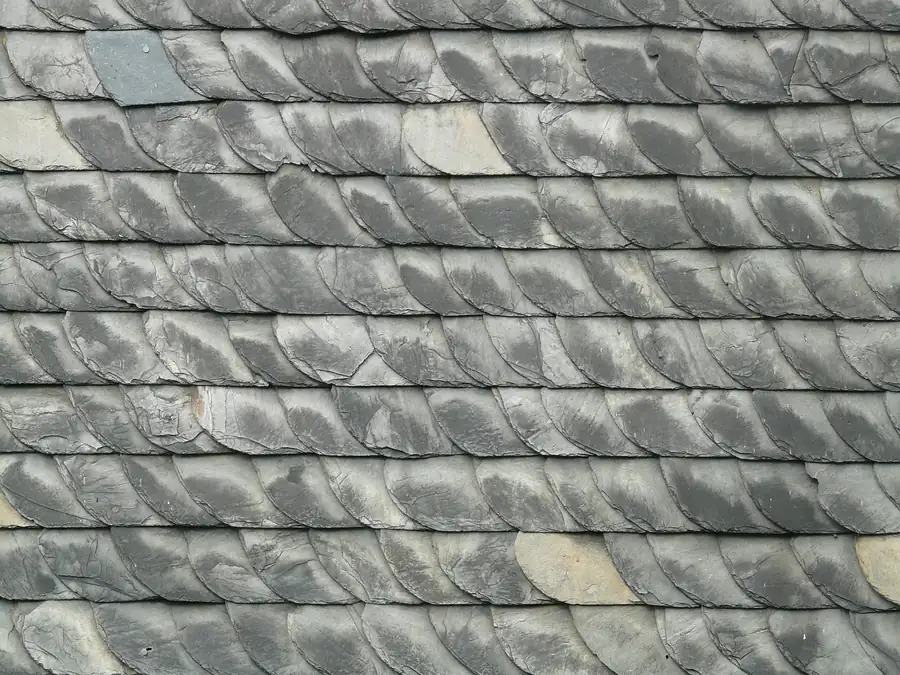
Welsh slate: a hundred years and more
Much of the slate on Croydon’s Victorian and Edwardian streets came from North Wales by rail. Good Welsh slate is dense and barely absorbs water, so frost has very little to work on, and a century on a roof is nothing special. It’s common to strip a Victorian slate roof and put half the original slates straight back on. The slates themselves rarely end a slate roof. Be more wary of cheaper imported slate laid in the last few decades. Some has turned out far less durable, and rust streaks running down from iron pyrite inclusions in the stone are the giveaway.
Clay plain tiles: seventy to a hundred years, often longer
Fired clay lasts well provided it was fired properly. The failure to watch for is lamination, where frost gets into the body of the tile and the face flakes away in layers, and lost nibs, which leave tiles with nothing to hang by. A slope of old clay with scattered damage is usually worth patching with salvaged tiles, which we went into in detail in our guide to clay plain tiles on Croydon’s period roofs.
Concrete interlocking tiles: fifty to sixty years
Concrete is cheaper and heavier, and it wears from the outside in. The coloured surface erodes, the tile gets rougher and more porous, and moss takes hold more easily. Many 1960s and 1970s concrete roofs in the borough are now at the point where an inspection matters more than a patch. Our article on concrete tile roofs in Croydon explains what to look for from the ground.
Flat roofs: felt, rubber and fibreglass
Flat roofs have the shortest lives of anything on a Croydon house, and the reason is simple. Water sits on them. A pitched roof sheds rain in seconds, while a flat roof with poor falls can hold a puddle for days, and every material ages faster under standing water and full summer sun.
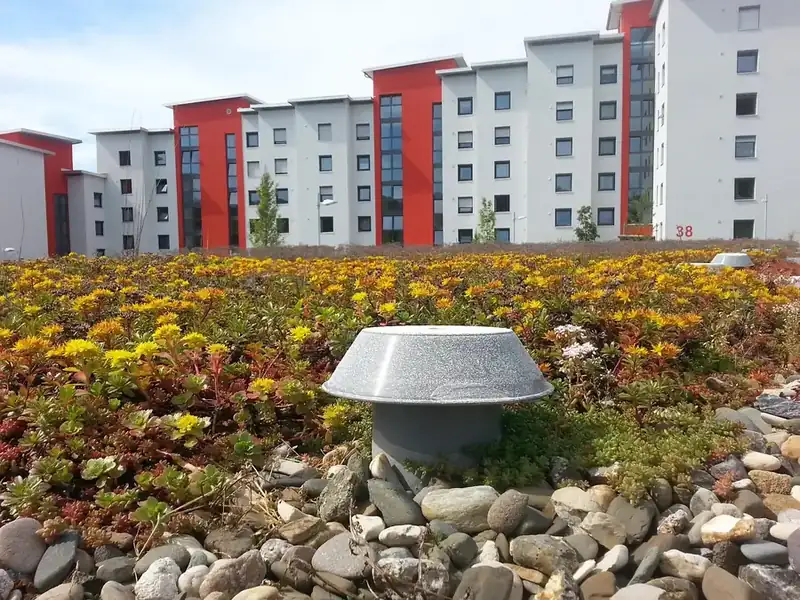
The old built-up bitumen felt that went onto back additions, garages and 1960s houses was generally good for 10 to 20 years. Modern reinforced torch-on felt in two or three layers does better, often around 20. EPDM rubber membranes and GRP fibreglass are the long-life options now, commonly expected to give 25 to 30 years and more when they are laid over a sound deck with proper falls and good detailing at the edges. A poor installation of any of them can fail inside five. Green roofs deserve a mention here. A layer of sedum shades the waterproofing from sun and evens out the temperature swings, so the membrane under a well-built one tends to age more slowly than a bare one.
Two things decide how long a flat roof actually lasts: the deck under it and the drainage. If the boards have soaked up years of slow leaks, a new covering over the top is wasted money. Croydon’s flat-roofed houses and maisonettes from the 1960s are a case in point, and our piece on those roofs covers why so many of them are being stripped back to the joists now.
Nails, battens, underlay and lead: the layers you can’t see
This is the layer that settles most arguments about whether a roof is finished, and it’s the one nobody looks at until something slides off.
Nails
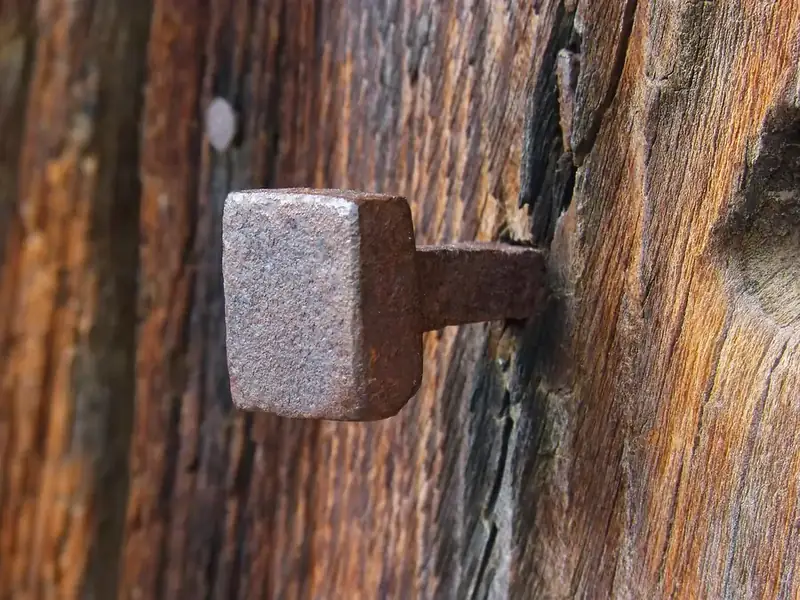
Victorian slates were mostly hung on iron nails. Iron rusts, and once enough nails have corroded through, slates start dropping in calm weather. Roofers call it nail sickness. The usual sign from the street is a scatter of small metal strips, called tingles, holding individual slates back in place. A few tingles are normal. A slope covered in them is telling you the nails behind every slate are going. Postwar concrete roofs used galvanised steel nails, and the galvanising has a working life of its own, which is why so many of those roofs begin moving in groups somewhere between their fortieth and sixtieth year. Modern work uses copper, aluminium or stainless fixings that should outlast the covering.
Battens
Older battens were often ungraded softwood, sometimes untreated. Where they stay dry they can last remarkably well. Where a leak has fed them for years they go soft round the nail holes and stop holding anything. Battens on a modern re-roof are treated and graded to the British Standard for slating and tiling, BS 5534.
Underlay
Croydon’s pre-war roofs mostly had none, so the tiles did all the work. From the postwar years, black bitumen felt became normal. It does its job for decades under the tiles, but the strip at the eaves, where it’s exposed to sunlight, goes brittle and crumbles into the gutter long before the rest. Today’s breathable membranes are lighter and let the loft vent.
Lead
Properly fitted lead at chimneys, abutments and valleys routinely lasts 60 years and frequently far longer. That depends on it being fitted properly. Lead expands and contracts a lot, so it has to go on in short lengths of the right thickness with the right fixings, or it cracks from fatigue within a few summers. The Lead Sheet Training Academy, which trains leadworkers across the UK, sets out those sizing and fixing rules, and a roofer who works to them will tell you which code of lead they’re using without being asked.
Croydon’s housing eras and where each roof sits now
Put the materials together with the age of the houses and you get a fairly reliable picture of where each part of the borough is.
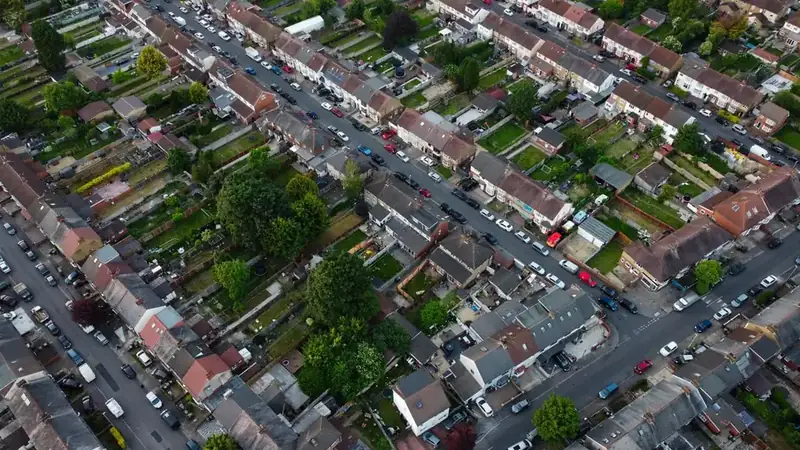
| House type and where you’ll find it | Covering it was built with | Where the roof usually is now |
|---|---|---|
| Victorian and Edwardian terraces: Thornton Heath, South Norwood, Selhurst, Addiscombe, Norbury | Welsh slate or clay plain tile | Covering often still sound; original iron nails 110 to 150 years old unless already re-roofed |
| 1930s semis: Shirley, Selsdon, Sanderstead, Coulsdon, the avenues off the Purley Way | Clay plain tile, usually with no felt | Originals around 90 years old; many re-covered in concrete in the 1970s and 80s, so 40 to 55 years into that |
| Postwar estates and infill: New Addington, Broad Green, Waddon | Concrete interlocking tile | 60 to 75 years old; covering near the end of its expected life, fixings often past it |
| 1960s flat-roofed houses and maisonettes | Built-up bitumen felt | On a second or third covering; age of the current one matters more than the house |
Two caveats. A good number of Victorian houses were re-roofed in concrete during the postwar decades, so the date on the house doesn’t always match the date on the roof. And parts of the borough’s older streets sit in conservation areas, where the council expects like-for-like materials on a re-roof. You can check whether your street is covered in Croydon Council’s conservation areas directory. If your house is a 1930s semi, our guide to Croydon’s interwar roofs looks at that era in much more detail.
Heat, city air and trees: why Croydon roofs age faster in places
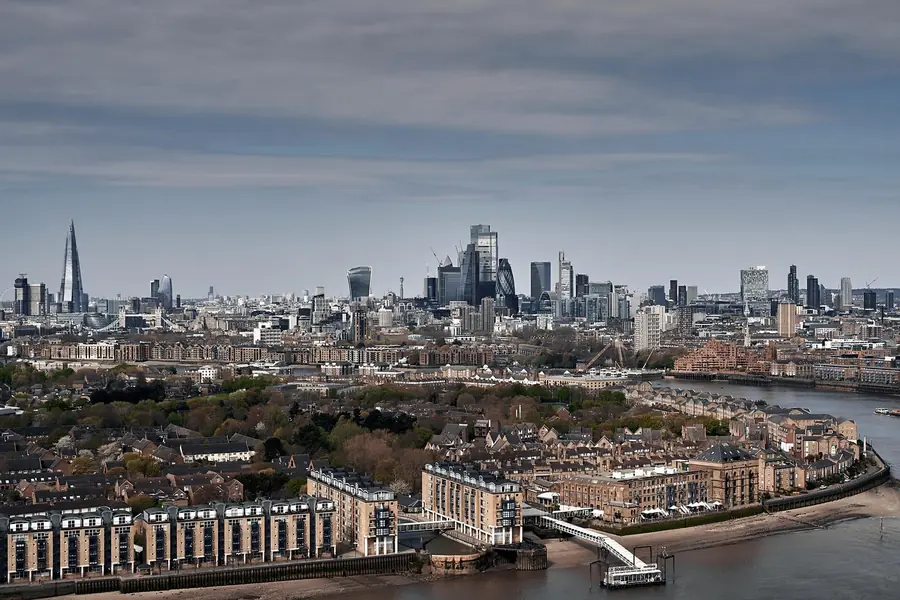
Croydon puts a different load on a roof than a village in the Weald would. The borough sits in the warmest part of the country, and Greater London’s urban heat island keeps summer nights warm, so the roof never fully cools down. The materials that move most with temperature pay for it. Lead flashings, felt flat roofs and the mortar on ridges and verges all take more expansion and contraction here than the same work would see in the north. Slate and clay are hardly affected.
The older houses also carry the marks of a dirtier century. Before the Clean Air Act 1956, London’s coal smoke put sulphur into everything, and lime mortar on chimneys and parapets of Victorian houses took the brunt of it. Plenty of chimney mortar in the north of the borough spent its first sixty years in that air, which goes some way to explaining how much of it needs repointing now.
Then there are trees. The big gardens of Shirley, Purley and Sanderstead give roofs shade and a steady supply of leaves, which means moss, damp and blocked valleys. Moss on its own doesn’t end a roof, but it holds water against the tiles and lifts them at the edges, and on concrete it speeds up the erosion that was already happening.
Signs your Croydon roof is running out of time
None of these on its own means a new roof. Three or four together usually do.
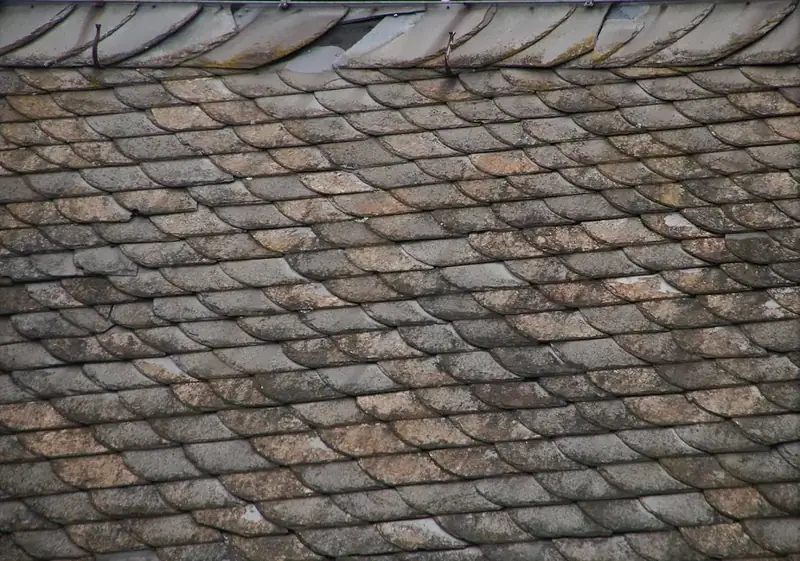
- Slates or tiles slipping in calm weather, especially several at once on the same slope
- More tingles every year on a slate roof
- From the loft: daylight between tiles, soft or crumbling battens, rust stains round nail heads, felt hanging in tatters at the eaves
- Clay tiles flaking or shedding red grit into the gutters
- Concrete tiles gone pale, rough and furry, with moss gripping them hard
- A flat roof that blisters, cracks, holds water for days or feels springy underfoot
- Lead that is split, lifted or has pulled out of the mortar joint above it
- Repair bills for different parts of the same roof arriving most winters
If you’re weighing up a patch against a full job, our guide to repairing or replacing a Croydon roof walks through the decision, and our breakdown of new roof costs in Croydon by house type gives realistic prices, from about £6,500 for a postwar concrete tile semi up to £21,000 for a large hipped roof in clay. When a roof is replaced, building regulations will usually expect the loft insulation to be brought up to modern standards at the same time, under Approved Document L of the Building Regulations, so budget for that too.
The quickest way to find out which clock is running down on your own roof is to have someone look, inside and out. Book a free roof survey in Croydon and we’ll tell you honestly how many years we think it has left.
Frequently asked questions
Which roofing material lasts longest on a Croydon house?
Natural slate and good clay plain tiles last longest. Both regularly reach a century, and sound Welsh slate often goes well past it. Concrete interlocking tiles are usually given 50 to 60 years. On flat roofs, EPDM rubber and GRP fibreglass are commonly expected to manage 25 to 30 years or more, against roughly 10 to 20 for the old built-up felt. On most pitched roofs, though, the nails, battens and underlay decide when the job needs doing, not the covering.
My 1930s house still has its original roof. Is that a problem?
Not on its own. Interwar clay tiles can still be sound at ninety, but a roof that old will almost certainly have no felt under the tiles, and its nails and battens are well past the age where they start letting go. Expect slipped tiles to get more frequent. Have it looked at from inside the loft as well as from outside before you decide anything.
How can I tell how old my roof is?
Start with the paperwork. A re-roof done in the last twenty years or so should have a building control or CompetentRoofer certificate, and the property information form from when you bought may mention it. Then look in the loft. A breathable membrane, pale treated battens and bright nails point to a recent job. Black bitumen felt usually means a postwar or later re-roof. Bare tile or slate undersides with no felt at all generally mean the roof is original and pre-war.
Does London heat make roofs wear out faster in Croydon?
It speeds up some materials far more than others. Flat roof coverings, lead and mortar suffer most, because they expand on hot days and shrink again overnight, and Greater London's urban heat island keeps nights warmer than in the countryside around it. Slate and clay hardly notice. A south-facing felt roof on a back extension is usually the first part of a Croydon house to show heat ageing.
Free roof survey and a fixed written quote
Anywhere in Croydon and the surrounding CR postcodes. No call-out fee.